
Top Programming languages for Web development in 2022 for Backend and Frontend

The web development industry is more active than ever these days, and dozens of programming languages have been created specifically for the purpose of software design and maintenance. The programming skills required for this work are in very high demand, and web development has become one of the most lucrative professional occupations virtually everywhere in the world.
As a result, there are so many programming languages for web development nowadays that most people find it hard to understand which one is best for what purposes, as well as which language is the best to learn. Our goal in this article is to clear up the confusion for the reader and help him decide which programing languages for web development he should choose to learn for his particular business or career needs.
More specifically, we will:
Explain what a programming language is
Describe different types of web development languages
Introduce the best programming languages for web development in 2022
Highlight their main advantages and disadvantages
Explain how the reader can figure out which language he should start with
Suggest where and how he can learn the language he has selected
Basic Concepts of Web Development Programming
In simple terms, a programming language is a set of commands for the computer to perform certain actions. And just as human languages do, it consists of vocabulary, or building blocks, and grammar, or additional meaning derived from the way words are connected in a sentence.
If the commands are constructed correctly, the computer will perform exactly as required. These sets of instructions can be applied in different areas, such as mobile app design, database compilation and creation of artificial intelligence, to name a few. Web development programming refers to using computer languages to develop websites.
Varieties of Programming Languages
The software of any website consists of two parts: one part interacts with the user, while the other transfers data from the external interface to the database and performs general site maintenance operations. The two parts are called the front end and back end, respectively, and all programming languages, as well as web developers, can be classified according to which part of the software they are mainly concerned with:
- Front-end developers use HTML, JavaScript and CSS to code the user interface and integrate the website with the external software if necessary
- Back-end developers use languages like PHP and Python to perform constant caretaking of the website, process and store external data, and convert output into a user-friendly form
- Full-stack developers are highly knowledgeable and experienced professionals who have mastered both sets of coding skills and are, therefore, in a position to create and operate both parts of software
Why Different Languages Do Not Work As Efficiently
Some programming languages operate more efficiently than others, which depends mainly on the extent of automation in their design. Basically, it all comes down to how abstract a particular language is. In other words, some operations can be performed automatically, while others require an individual approach.
Programming languages differ in the ratio of automatic to manual operations. In practice, it boils down to four simple principles:
-
Memory Processing
The more automatically the memory is managed, the slower the language will be. -
Language Compilation
The process of compiling a language involves translating a source code into a computer code, which takes time. Therefore, the greater amount of compilation work is required for the operation of a programming language, the less efficient the latter will be. -
Compiler Efficiency
This is an obvious, albeit side factor, namely: the slower the compiler, the less efficient the language. -
Translation Work
Language compilers differ in the extent to which they are based on the translation of a source code into a computer code, which takes time. It is the same as in a human language: if you need to translate what I am saying word by word, instead of grasping it in the Gestalt manner, you will take longer to understand me.
Best Programming Languages for Web Development
The web development industry has created an enormous variety of programming languages, which makes it difficult for a beginner to make a start. Unfortunately, a detailed discussion of any of them falls far outside the scope of our article, but you can browse our blog for a lot of useful material on the subject.
Still, you need to make a start somewhere, so we have compiled a list of the best programming languages for web development in 2022. The languages on our list have gained immense popularity all over the world by providing effective tools for optimal business solutions.
Our selection includes both front-end and back-end development languages, as shown in the table below:
| Front End | Back End |
| CSS | PHP |
| HTML | Python |
| JavaScript | Ruby |
| TypeScrip |
Strictly speaking, CSS and HTML are not programming languages, but we include them in our presentation because a) they have become extremely significant on the international scale, b) they are used in website development, and c) the subtleties of technical definitions seem to us irrelevant for the purpose of this article.
CSS
Special Features
Content is separated from presentation features, such as colours, page layout and fonts
Content is very easy to access
Layout feature are highly flexible and easy to manipulate
Enables multiple webpage formatting
The cascading style increases consistency
Advantages
Exceptionally simple and easy to master
Pages upload very fast
Makes final product highly customisable
Disadvantages
Excessive number of levels creates confusion and increases the risk of errors
Can sometimes be incompatible with external browsers
HTML
Special Features
Creates the right structures to ensure correct and efficient formatting of both images and texts
Facilitates webpage development through a large variety of highly functional templates
Beginner-friendly programming code
Advantages
Very easy to learn, use and access
Available free of charge
Zero cross-browser incompatibility
Disadvantages
Lacks essential features for creating dynamic content
Enormous amount of coding required for the simplest product
JavaScript
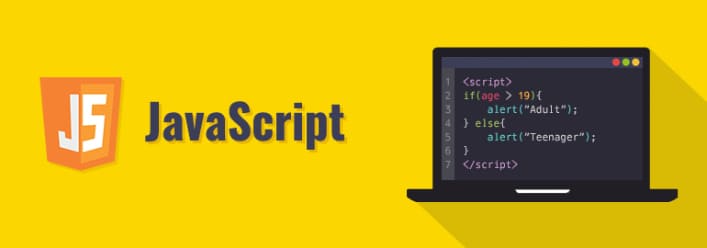
Special Features
Beginner-friendly programming code
Easy to learn and use
Can be used to games, mobile apps, web servers as well as websites
Advantages
Enables prompt JavaScript translation
Easy to use in conjunction with numerous web development programming languages
Very conveniently compiled to increase its versatility
Disadvantages
Security level is relatively low
Highly vulnerable to multiple inheritance
PHP
Special Features
Enhanced by numerous external add-ons, extensions and open-source relational database management systems
Produces images in multiple formats, including HTML, PDF, GIF and others
Can be integrated with cloud-base services
Advantages
Very simple to learn and use
Compatible with the main operating systems.
Provides responsive customer support via community forums
Disadvantages
Any website development project becomes a very long story
Does not provide for effective error correction
Python

Special Features
Allows building multiple interconnected websites with rapidly changing content
Excellent back-end development tools
Easy to integrate with numerous web development languages
Can be integrated with alternative web development software to design web-based apps
Advantages
Coding facilitated by object-oriented programming
Impressively high scalability
Codes are made very easy to read
Disadvantages
Low compiler efficiency due to excessive translation work
Cannot be used for mobile app development
Ruby
Special Features
Multiple Graphic User Interface tools supported
Compatible with the main operating systems, such as Linux, Mac and Windows
Automatic memory management
Custom dispatch behaviour
Centralised package management
Advantages
Offers a large selection of additional tools and libraries
Provides access to an active international community forum
Exhibits impeccable ethics by web standards
Disadvantages
Code debugging is difficult and time-consuming
Relatively inefficient
TypeScript
Special Features
Built-in debugging to facilitate development
Type-safe coding to decrease the risk of errors
Microsoft source-code editor support
Advantages
Compatible with external browsers and platforms
Supports object-oriented programming
Codes are very easy to read
Disadvantages
Its codes have to be translated into JavaScript before implementation
Knowledge of Javascript concepts and tools required
Best Programming Languages to Start From

Many beginners wonder what programming language they should learn first. Technically, there is no strict rule as to which one you must start from, if you happen to be new to the world of web development.
Nevertheless, the overwhelming majority of web development students begin with the front-end languages, which suggests that these could be easier to learn. If that is the case, you may consider taking some courses on CSS, HTML or JavaScript, although Python, which is a back-end language, has proven to be easy enough for freshmen to master relatively easily.
Which Is the Best Web Development Language to Learn
There are many web development programming languages, and all of them are good for different reasons and purposes. Which one should you choose to learn? The answer to this question will depend on a number of factors, so let us briefly discuss each of them separately.
1. What Are Your Career Aspirations?
The most important question you will need to answer is why you want to learn a programming language in the first place. If you simply enjoy writing programmes, you may as well pick whichever language appeals to you the most. But in case you would like to make a career out of it, you should clarify for yourself what it is that you intend to do with the language you will learn.
Some languages are best suited for front-end software development, while others are designed specifically for back-end programming, for example. Still others are used to create mobile applications or graphic data presentations, and the list could go on. The main point is, once you know what you are going to do with a programming language, you will be in a better position to choose the best one for your particular purposes.
2. How Much Are You Willing to Invest?
Here, we are talking about investing time, money and effort. Some languages are easier and quicker to learn than others. And the longer it takes to learn a language, the more financial resources it requires too.
Besides, it makes a big difference whether you are completely new to the world of web development or you already have a considerable amount of experience in learning computer languages. If you would like to learn something simple for any of these reasons, you may as well start with Java, Python, C++ or any markup language.
3. What Are the Most Popular Languages for Web Development?
Needless to say, the more widely a language is used, the better chances you have to find something to do with it. Furthermore, the web development industry tends to be quite conservative, and if a programming language happens to be popular now, it will most likely stay that way for a long to come. The languages we have introduced in this article are definitely on the list.
4. What Are Your Salary Expectations?
If your potential income is one of the decisive factors, it makes sense to browse job ads and read professional reviews in order to find out what the best-paid languages currently are in your geographic location. More difficult though they might be to master, your investment of time, money and effort will definitely not go to waste.
Just to give you an idea, the table below compares the languages from this article in terms of the average salaries you may expect for them in the United States in 2022:
| Programming Language | Average Annual Salary for Junior/Experienced Developers (in USD) |
| CSS | 65K / 105K |
| HTML | 70K / 105K |
| JavaScript | 82K / 112K |
| PHP | 82K / 100K |
| Python | 77K / 111K |
| Ruby | 95K / 139K |
| TypeScript | 85K / 115K |
5. What Do Professional Reviews Say?
There are plenty of social forums for web developers and other IT specialists, and it helps to know what they have got to say on the subject. You can also chat with them and ask them more specific questions, such as:
Which languages they personally like the most
What are the current and future prospects for different languages from their point of view
What are the main advantages and disadvantages of each language
On top of that, you can find a lot of invaluable information on those forums, which will help you have a better idea of which career opportunities you will have with different languages, as well as some tips of advice concerning how to learn and use them more effectively.
Where to Learn a Programming Language
When you know which language you want to learn, the next question is where you can or should do it. In fact, there are so many courses available these days, both online and on campus, that picking the best one may turn into another agony of choice.
Of course, you can always learn it on your own or through some mobile app. But this way, you either miss the invaluable feedback from a professional web developer and an experienced teacher or run the risk of ending up with some dodgy online fraud. Still, you will most likely have to learn it on some online platform, unless you are actually willing and able to enroll in a college.
When you search for a good website to sign up for an online course, there are some precautionary measures you can take to make sure that you land on a reliable and professional platform:
1. Begin with a free course.
Lots of online colleges offer them, and it is a good idea to test a course first, and see if you actually enjoy it too, before investing time, money and effort in it.
2. Choose a practical course.
Statistically, practical courses work better than academic ones. You can spend your lifetime reading about tango, but it will not make any difference when you get on the floor.
In fact, you can skip this section completely and accept some unpaid jobs from a web development company instead. It will teach you a lot more than reading thousands of textbooks. And even though you will not be paid for your work, you will not have to pay for your learning either.
3. Read student reviews.
Of course, you should not accept everything you read at face value. Yet, it helps to know other people's impressions of the course, study process and the quality of teaching.
Ultimately, the choice of a platform will rest with you. In the table below, we will only mention some websites that currently enjoy relatively positive student reviews.
| Platform | Best Features |
| Coursera | Many free courses from scratch to finish |
| FreeCodeCamp | Excellent free courses on website design and full-stack web development |
| HashNode | Vibrant and professionally enriching community forums across the continents |
| W3Schools | Plenty of very useful tutorials on all major programming languages |
| YouTube | Professional video tutorials for all levels of coding skills |
Conclusion
You need a programming language to instruct the computer to create a website that will be an optimal digital tool for your business solutions. What is the best language for web development in your case will depend on your business aspirations and challenges, which you will need to clarify before searching for the right tool. And when you have done that, we hope our article will help you find the most suitable language and the right place to learn it.
Frequently Asked Questions
What are the best front-end web development languages?
Generally, markup and style sheet languages (such as HTML and CSS, respectively), even though they are not programming languages in the strict sense of the term, are considered to be best suited for front-end software development. Of the programming languages proper, JavaScript is probably the best option.
What is the best back-end web development programming language?
Most professionals in the field seem to agree that PHP, SQL and Python are the optimal programming options for back-end software development.
What career opportunities will I have with my web development skills?
There will be lots of them, in fact. Virtually the entire business, industry and administration have gone online these days, regardless of the specific area of social or economic activity. The actual job positions will depend on your skills and experience, and you will have a choice of:
-
Computer programmer
-
Database administrator
-
Front-end developer
-
Back-end developer
-
System analyst
-
System administrator
Moreover, the demand for web developers is currently quite high, and it continues to increase every year. And once you become a specialist in the field, you can also decide to go completely self-employed instead.
What are the benefits of learning a web development programming language?
To begin with, your employment options and opportunities will expand immensely. You will be able to find a job in any industry or professional field. Plus, professional web developers are relatively well paid in the overwhelming majority of cases.
Besides, the demand for their services is very high almost all over the world, so you will be in a position to choose which country you would like to work in and safely expect to enjoy a fairly comfortable life there. And since outsourcing has almost become common practice worldwide, you can even quit formal employment completely and enjoy the self-sufficient lifestyle of a freelance developer.




It's free and takes 2 minutes. There are 1500+ digital agencies in the catalog that are ready to help in the implementation of your tasks. Choose and save up to 30% on time and budget!