SITE FACTORS
66. Useful content on the website
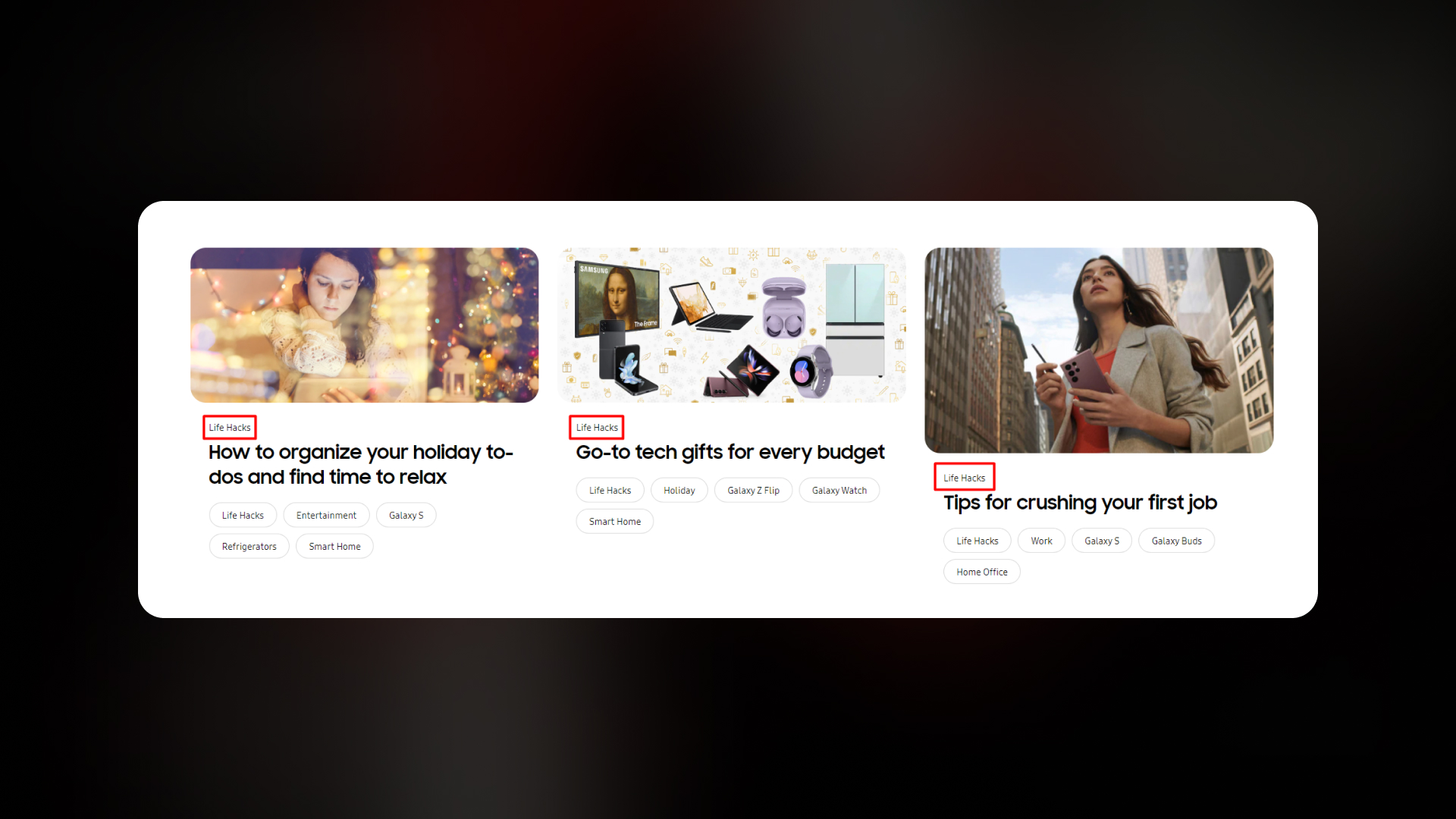
What is the value of your website? Google is happy to ban websites that do not have unique content, do not contain anything new or useful, and are created purely for affiliate programs and doorways. Even a site with commercial information will always be ranked worse than an informational resource. Therefore, corporate websites and online stores should think about creating a blog with useful information for customers.
67. Contact us page
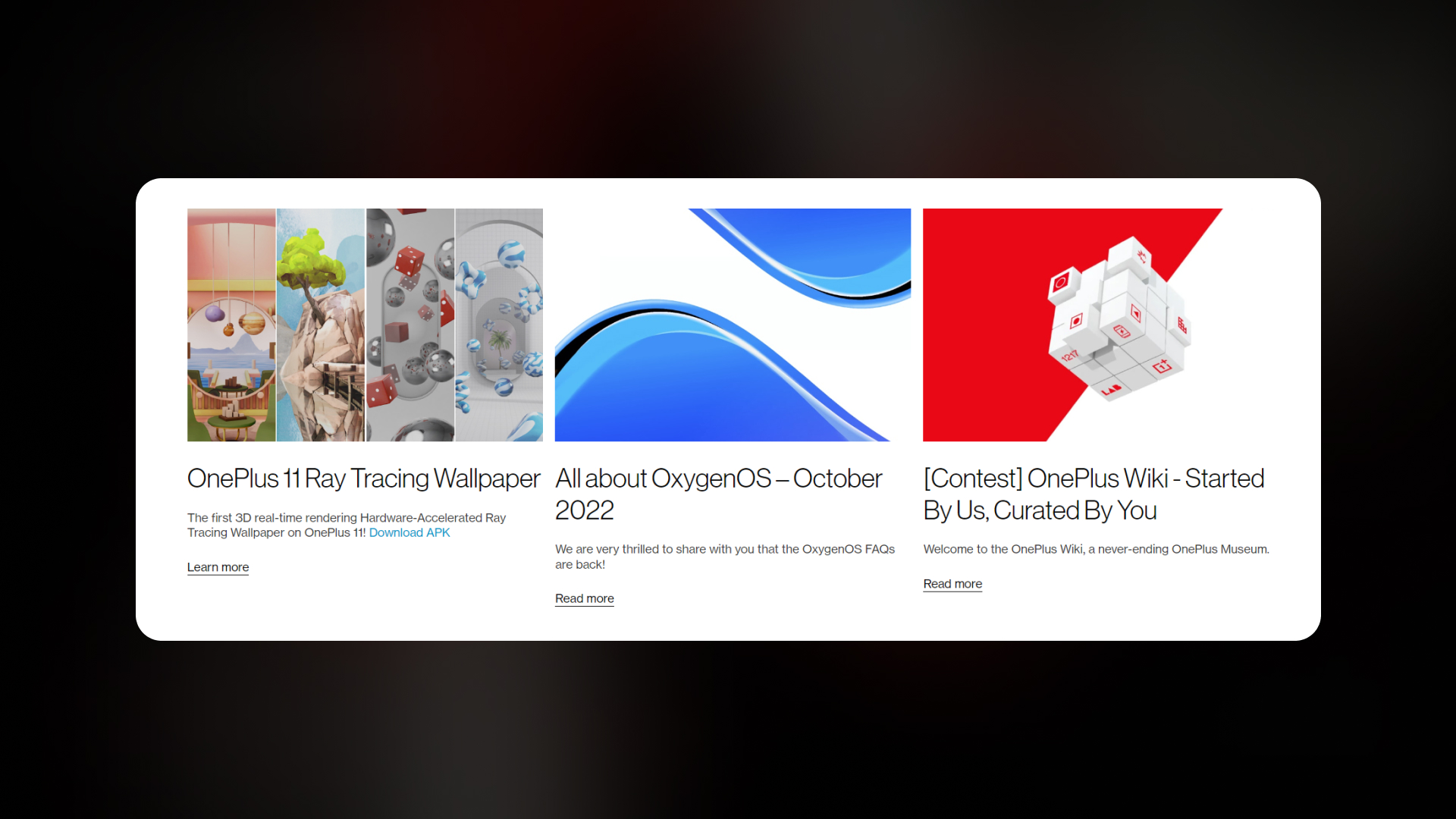
If your site has information on how to contact you, Google perceives this as a factor of trust and ranks such a site higher than sites without contacts.
68. Trust in a domain
Trust Rank — the level of trust in a domain — is one of the main ranking factors. In 2009, Google patented a technology that ranks results in search results based on the site’s Trust.
69. Breadcrumbs
This kind of navigation is a user-friendly site architecture design that assists users (as well as search engines) in determining their location within a site.

70. SILO-architecture
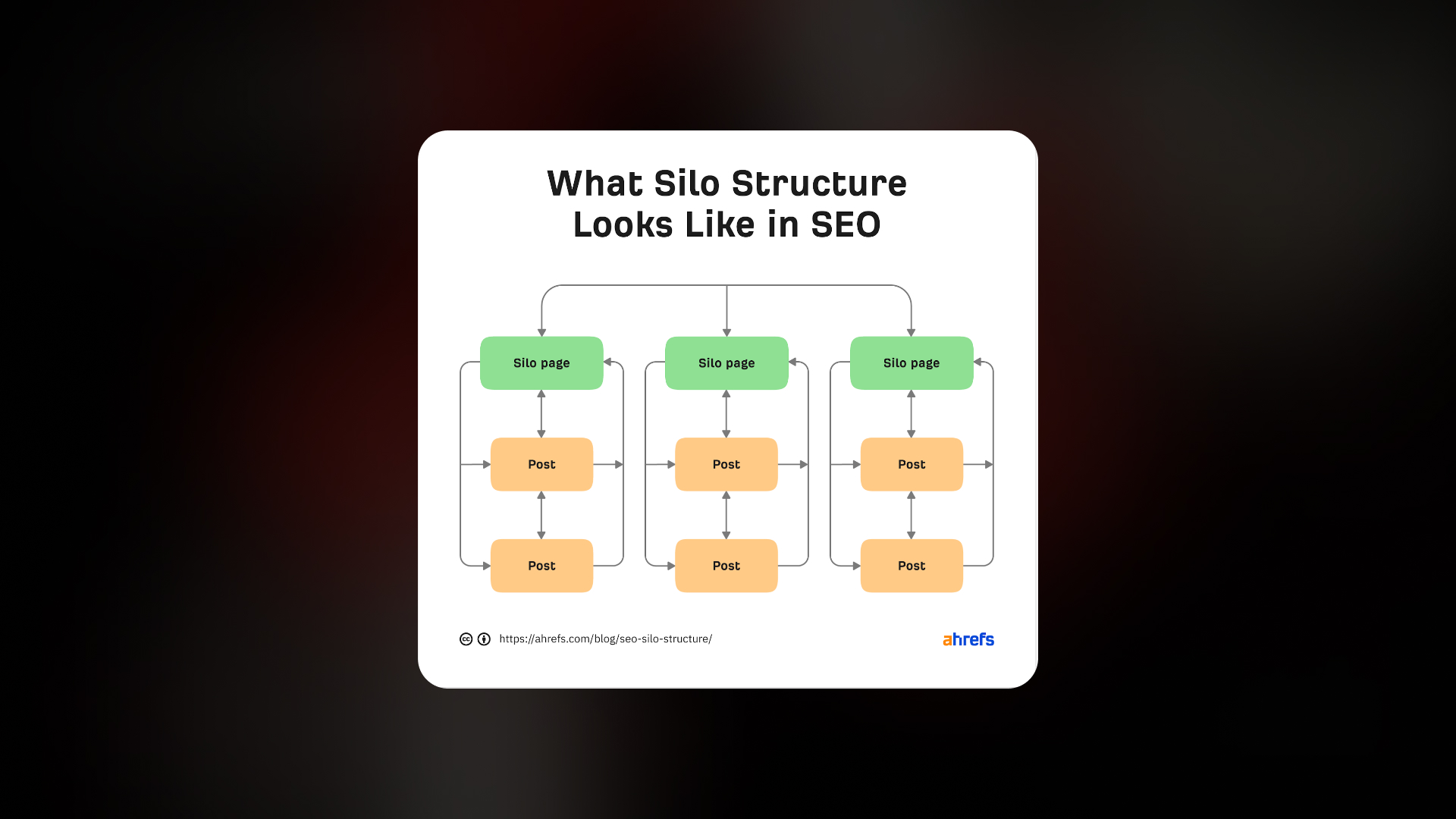
This is a modern type of website structure that allows you to make it intuitively user-friendly and more understandable from the point of view of a search robot. Indexing becomes more efficient thanks to isolated clusters that divide content into categories and subcategories and simplify the indexing process for the robot. The main essence of SILO architecture is the creation of a system of interdependent pages that will be part of the same group of thematic queries and share content. For example cluster 1 — household appliances, cluster 2 — kitchen appliances, and cluster 3 — coffee makers.
71. SSL certificate
Secure Sockets Layer is a digital certificate that authenticates a website and allows you to use an encrypted connection. Thanks to this document, you can get a secure https protocol, which adds credibility to the site both from the search engine and from users.
72. Server Location
Its location has an impact on the ranking of your site in various geographic regions (source). This is particularly significant for searches that are specific to a particular location.
73. Meta Tags duplication
Having identical meta information throughout your website can cause a decrease in visibility for all of your pages.
74. Optimization for mobile users
It is important to have a mobile version not only of individual pages but of the entire website. This also applies to the tablet version. Customers and website developers, wanting to save time and money, create only desktop and mobile versions of their websites, often ignoring the tablet version. Many people believe that few people visit websites from such devices. Indeed, users usually don’t notice the absence of a tablet adaptive, but Google’s search engine crawler notices and takes it into account when ranking. Therefore, you should not neglect this factor. It is better to focus on the fact that SEO is primarily aimed at the search robot, not the user.
75. YouTube promotion
Don’t forget to maintain a YouTube channel when promoting your website on Google. Google ranks its services higher than other resources. Therefore, your video posted on YouTube will be prioritized over the same video posted on your website.
76. Usability
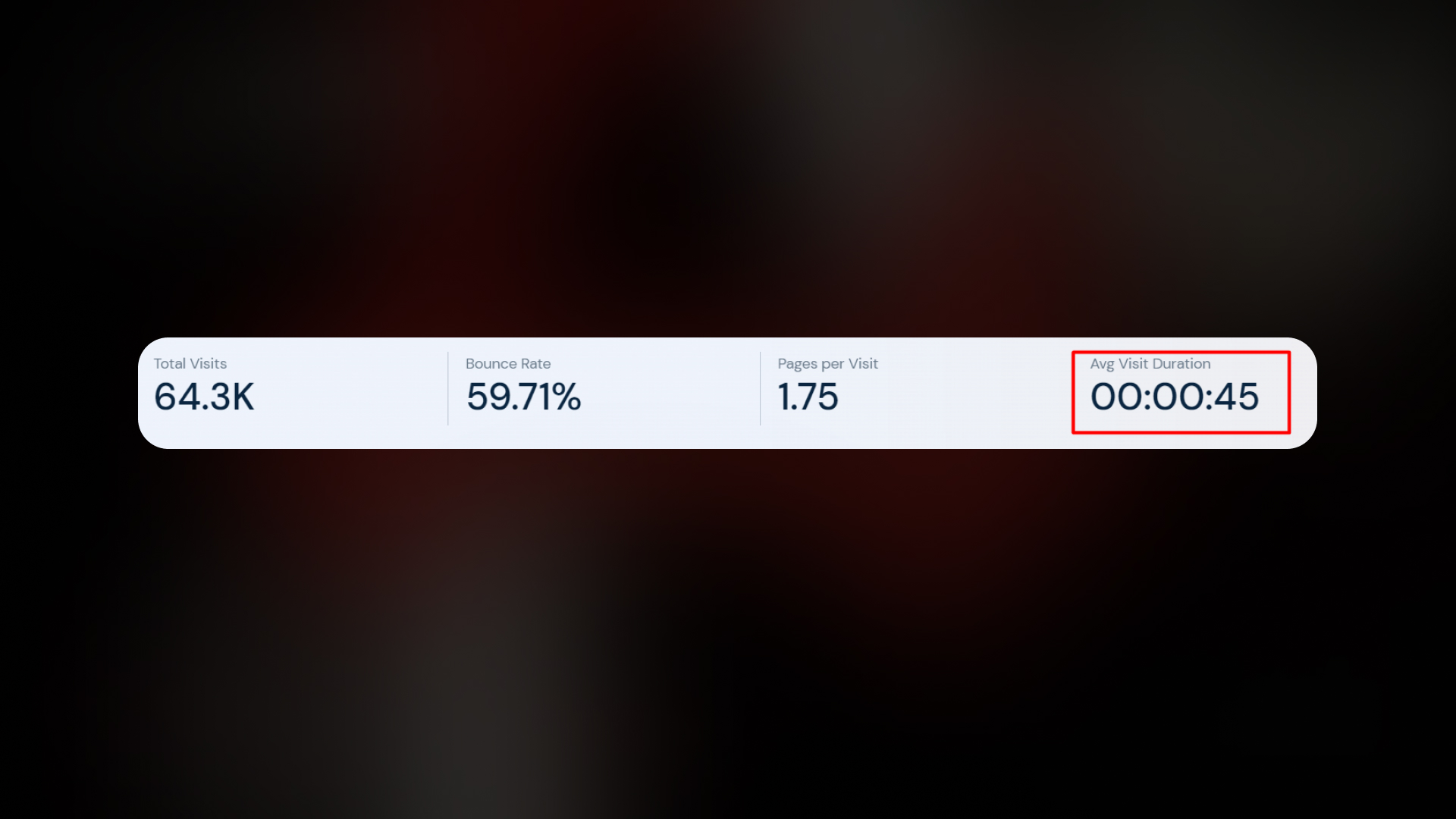
It’s directly related to the behavioral factors of users, which are among the main ranking criteria. The more convenient the structure and easier the navigation, the more time the visitor spends on the page. Bounce rates decrease when their interaction with the website interface improves and becomes longer. It should be understood that very often people abandon a service because of such trifles as complicated registration or an invisible button. The interface should be attractive, but first and foremost, it should solve user tasks.
77. Google Search Console and Google Analytics
The use of these two services speeds up indexing and affects rankings, as Google receives more data to analyze your site.
78. Online reputation and user reviews
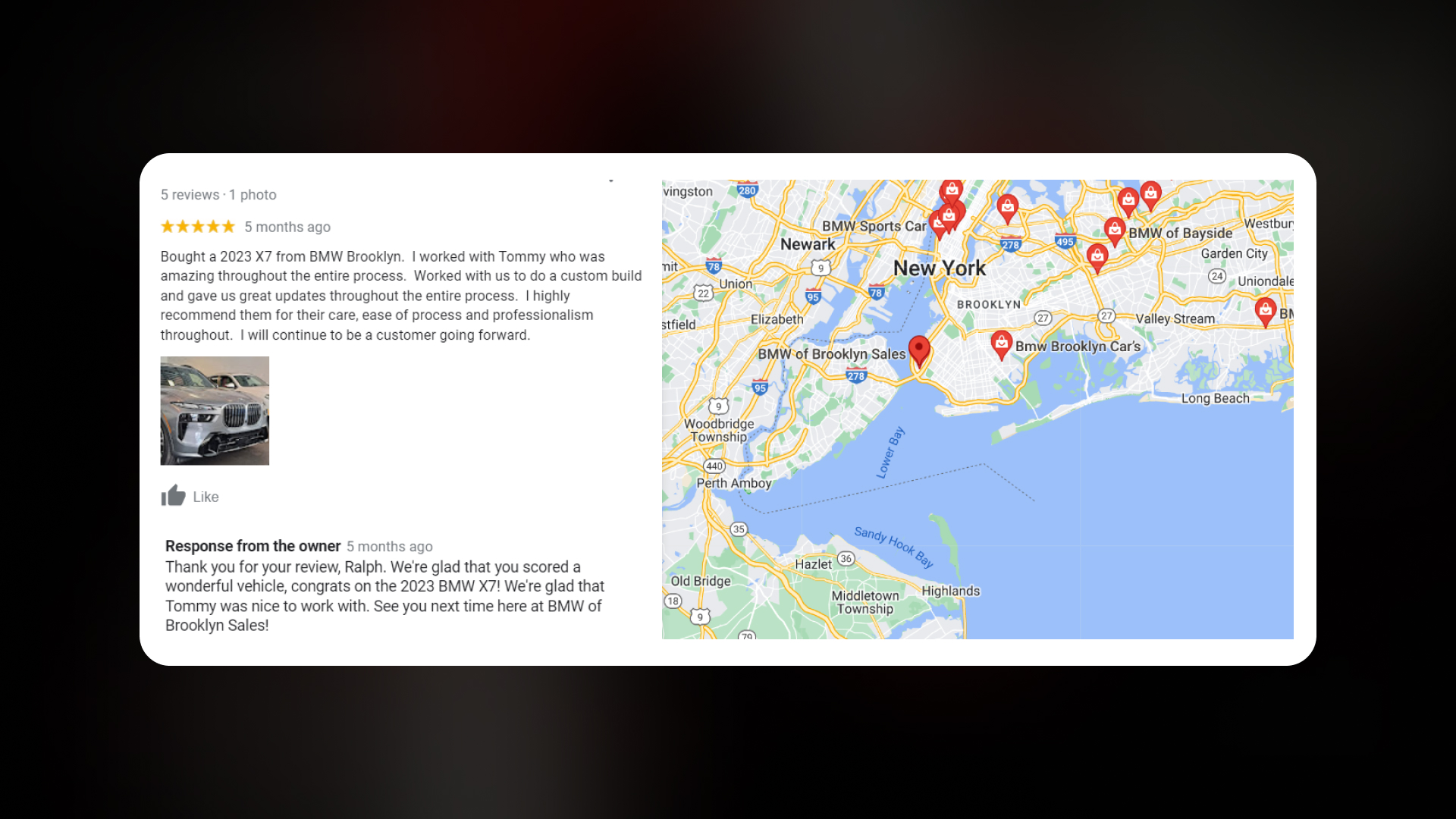
Google takes into account user reviews on the Internet when ranking a website. Especially those left in Google services (Google My Business, Google Maps, etc.).
BACKLINK RANKING FACTORS
79. Age of the domain from which inbound links come
The influence of links from old domains is higher than from new ones (probably not only because of their age but also because a website manages to gain trust over a long period).
80. The number of donor sites
For Google, the number of linking domains is the most important ranking factor. Large-scale studies of large companies have proven a direct correlation between the number of domains that link to a website and its position in Google. The main thing to understand is that the quality of donor domains must be appropriate. We are talking about authoritative, trusted, or well-optimized resources. Other important indicators of donor domains are traffic, thematic focus (related to yours or similar to yours), and quality index. All of these are very important when building your rankings.
81. Several referring pages
The total number of pages (even if they are all from the same domain) that link to your site affects the rankings. However, this is not the same as links from a unique domain.
82. External link anchor
The use of keywords in the link anchor is a powerful signal of relevance. To promote a page by a keyword query, write it in the link text. But because this ranking factor is so important to Google, the algorithm provides strict filters for those who abuse keywords in anchors.
83. Alt Tag for the image links
The use of keywords in the Alt attribute when linking to an image has the same meaning as the anchor of a link to a page.
84. External links from .edu or .gov domain zones
Google has more trust in the .edu and .gov top-level domains. As a rule, these are reputable donors, and links will help your site rank.
85. The authority of the linking domain
Look for inbound link-building sites with a high Trust. The more authoritative the linking domain, the more weight it gives to your site.
86. Page Authority
Page Rank, or the authority of the referring page, has been one of the most important ranking factors since the early days of Google. Links from one site to another are considered by search engines as recommendations. The higher the weight of the page that links to your site, the more your site’s authority increases in the eyes of Google.
87. Links from competitors' websites
Links from competitors in the search results that are ranked for the same keywords as you have a significant impact on your website’s ranking.
88. Links from popular sites
This ranking factor is based on users' behavior. If the donor site has a lot of traffic with good behavioral metrics, then a link from such a site will have more weight than from an unknown resource.
89. Inbound links from unreliable websites
Links from “bad donors” can lower your website’s rankings. This works according to the same algorithm as links from authoritative and trusted sites. Pay attention to which sites share link weight with you.
90. Guest posts
They have less influence on website rankings than editorial links. This means that if you have posted your article on a large blog, the effect of such a link will be lower than if the link was posted on behalf of the donor site.

91. Advertising links
Although advertising links are closed by the nofollow tag, they give a small plus to the ranking of the site since Google also sees them and can filter them among others.
92. Weight of the donor’s site main page
This indicator plays a role in the ranking as well as the weight of the entire domain. The higher it is, the higher the ranking bonus you get.
93. Links closed with the nofollow tag
Does Google take closed links into account? Of course, it does! But their role is not to increase the weight of the site, but to form a natural link profile, which is also a significant ranking factor.
94. Different link sources
When links come from the same type of sources (only blogs or only forums), Google considers it a sign of link spam. Diversify your sources to make your link profile look natural.
95. Sponsored and UGC attributes
Links with the rel=sponsored tag (for advertising affiliate links) or rel=UGC (for user-generated content) are accounted for by Google separately, not in the same way as follow and nofollow links. Separate statistics are kept for them. They also send a weak signal for ranking.
96. Links in the body of the article
Links that are neatly written into the text are more powerful than links that are placed outside the text content or on a blank page altogether.
97. 301 redirect
Allows you to “glue” pages together: move to a new URL address without losing your rankings. However, when there are too many such redirects on a website, Google perceives it as a low-quality resource.
98. Naturalness of the link profile
If the link profile of a website is natural, it will be ranked higher by search engines than resources that were promoted by gray SEO methods. In addition, a natural link profile will make the site more resistant to algorithm changes.
99. Domain zone of the referring site
Purchasing links from a website with a domain zone in a certain country (.ru, .ua, .kz) helps to increase the ranking of a website in that country.
100. Location of links in the content
Links placed at the beginning of an article have a slightly higher weight than those placed at the end.
101. Position of links on the page
A link in the body of the article has more weight than a link in the footer or sidebar.
102. Linking domain relevance
In general, a link from a resource on a similar topic will be more valuable than a link from a site in a different niche. However, in practice, donor sites are large portals that have no industry affiliation and write about everything they can. Therefore, the subject matter of the linked page plays a bigger role than the site itself.
103. The topic of the linked page
The article on the donor’s website should be relevant to the topic of your resource and resonate with the donor’s niche. For example, how can you link a website about computers to an online optical store? Post an article about glasses for working at the computer on such a site. This way we stay within our topic, but the link to the optics website now looks natural and will not be considered spam.
104. Keyword in the title of the linked page
If the title of the page that links to your site contains your page’s keywords, Google will approve it. From the search engine’s point of view, it looks like some experts are referring to others.
105. Positive dynamics of link mass growth
A website with a positive link growth rate gains good positions in the search results because Google concludes that the resource is becoming more popular.
106. Negative dynamics of link mass growth
On the contrary, a decrease in the number of inbound links to your website indicates that people are no longer interested in the resource and it is losing popularity.
107. Links from popular websites
This ranking factor is tied to user behavior. If the donor site has a lot of traffic with good behavioral metrics, then a link from such a site will have more weight than a link from an unknown resource.
108. Old links
The age of an inbound link matters for ranking: old links have more influence than new ones. This is due to the lifespan of the links. If an old link has existed for many years and hasn’t been removed, it can be trusted. As for new links, it is not yet known whether they will be removed in a few months or not.
109. Blogs vs useful websites
It is not recommended to place links on splogs (spam blogs). Google’s algorithm can distinguish them from useful sites by behavioral factors and signals of interaction with the brand.
110. Internal link anchor
Keywords in the anchor of an internal link also give a weak signal of relevance.
111. Link exchange with a partner
An amateur’s idea: I’ll place a link to a partner on my website, and he will link to me in return. It doesn’t work that way. First of all, the exchange of links will result in a redistribution of weight, and not necessarily in your favor. Secondly, Google can recognize such tricks and sees all cross-references. In addition, if you overdo it, you can get under the filter.
112. Links through 301 redirects
Unlike a direct link, links that lead to a page from which a 301 redirect is set up lose weight. This is because by linking to the “intermediate page”, we have already transferred some weight to it.
113. Schema.org page markup
Pages with micro-markup are ranked higher than those that do not support microformats. However, this is rather an indirect ranking factor. Because the page snippet in the search results with micro-markup looks more attractive than without it, and therefore it is more clickable.
114. Reliability of the site that links to you
The higher Google’s trust in the site that links to you, the more it will value these links.
115. The number of outbound links on the page
If there are several outbound links on a donor page, the page weight is distributed evenly among them. Thus, the more links on a page other than yours, the less weight is transferred to your site.
116. Crowd links
Links from forums still have an impact on website rankings. But due to large-scale spamming from such sources, Google may devalue them.
117. Word count of linking content
If a link is placed in a 100-character text, it will play almost no role than if it is placed in a large article of 3000−5000 characters.
118. Links in low-quality content
If the article that contains a link to your website is written with mistakes, machine translation, or is simply a low-quality rewrite with little uniqueness, the impact of such links on rankings will be lower than from a professional expert article.
119. Co-occurrences
They refer to the words that frequently appear in proximity to your backlinks, which assist Google in determining the content of the linked page.
120. Pass-through links
These are links that appear on all pages of the site, not just one. This effect can be achieved, for example, by placing links in the basement. However, Google has foreseen this and officially stated that pingbacks are “glued” into one. And they transfer weight no more than one link.
BEHAVIORAL FACTORS
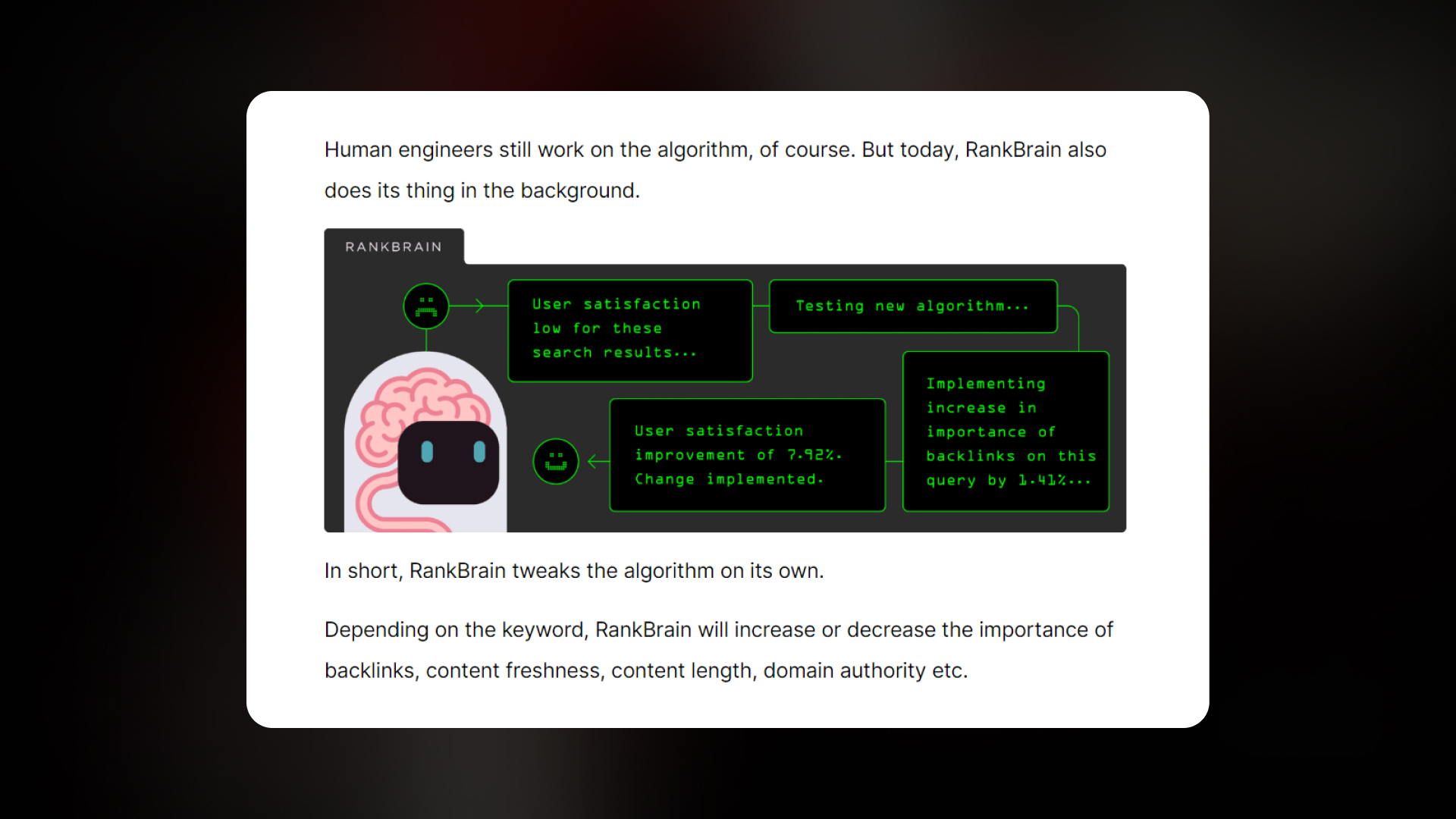
121. Rank Brain algorithm
Rank Brain is Google’s artificial intelligence that evaluates how users interact with search results and ranks websites based on this.
122. Organic CTR by keyword
If a user finds your website in a keyword search and clicks on it, it is a signal to Google that the resource is useful. If this happens often, Google starts ranking the page higher for this query.
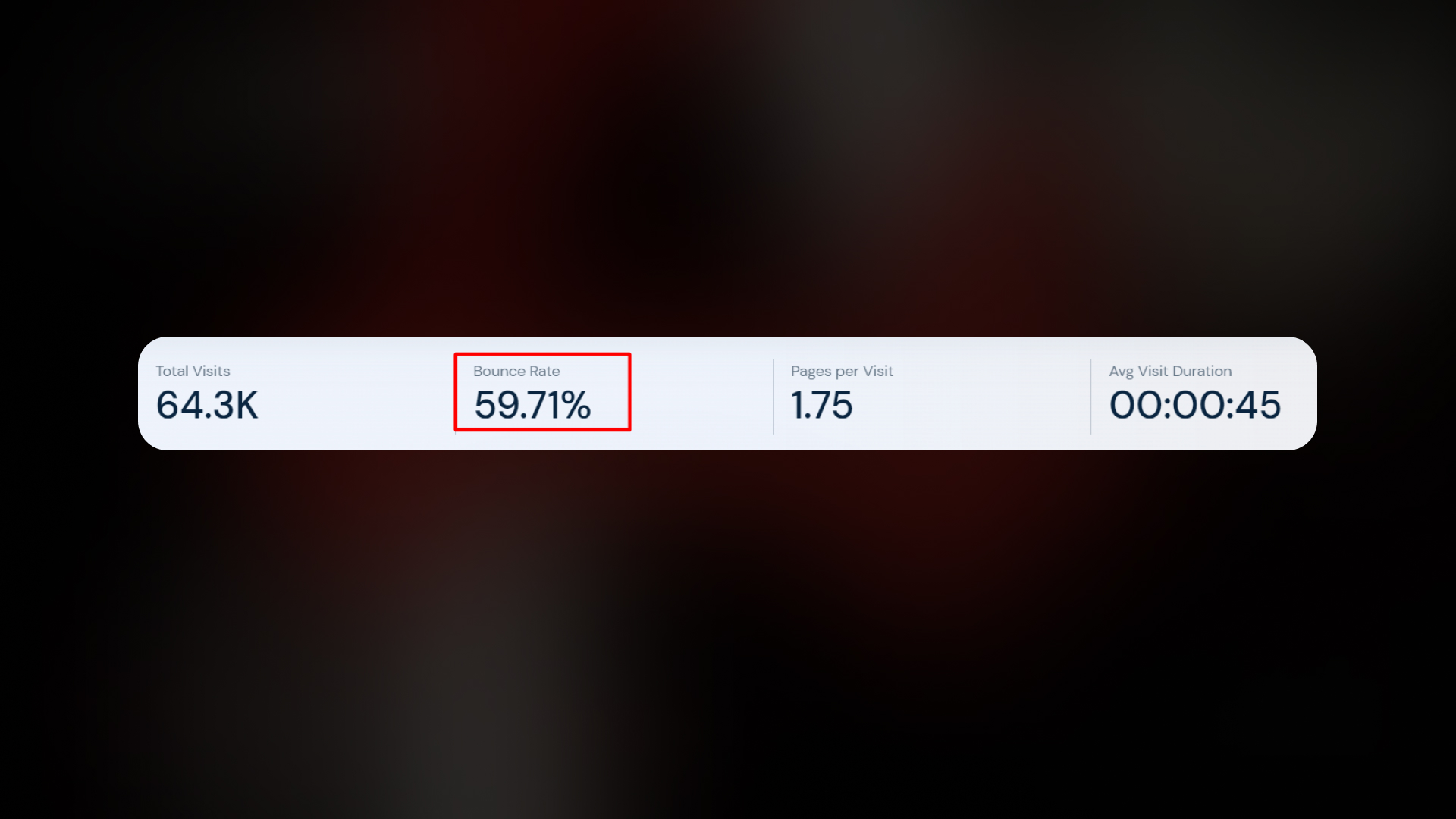
123. Bounce rate
It has an impact on rankings. If users leave your page quickly, this is a signal to Google that your content is of poor quality. You can check this through the SimilarWeb extension.
124. Direct transitions
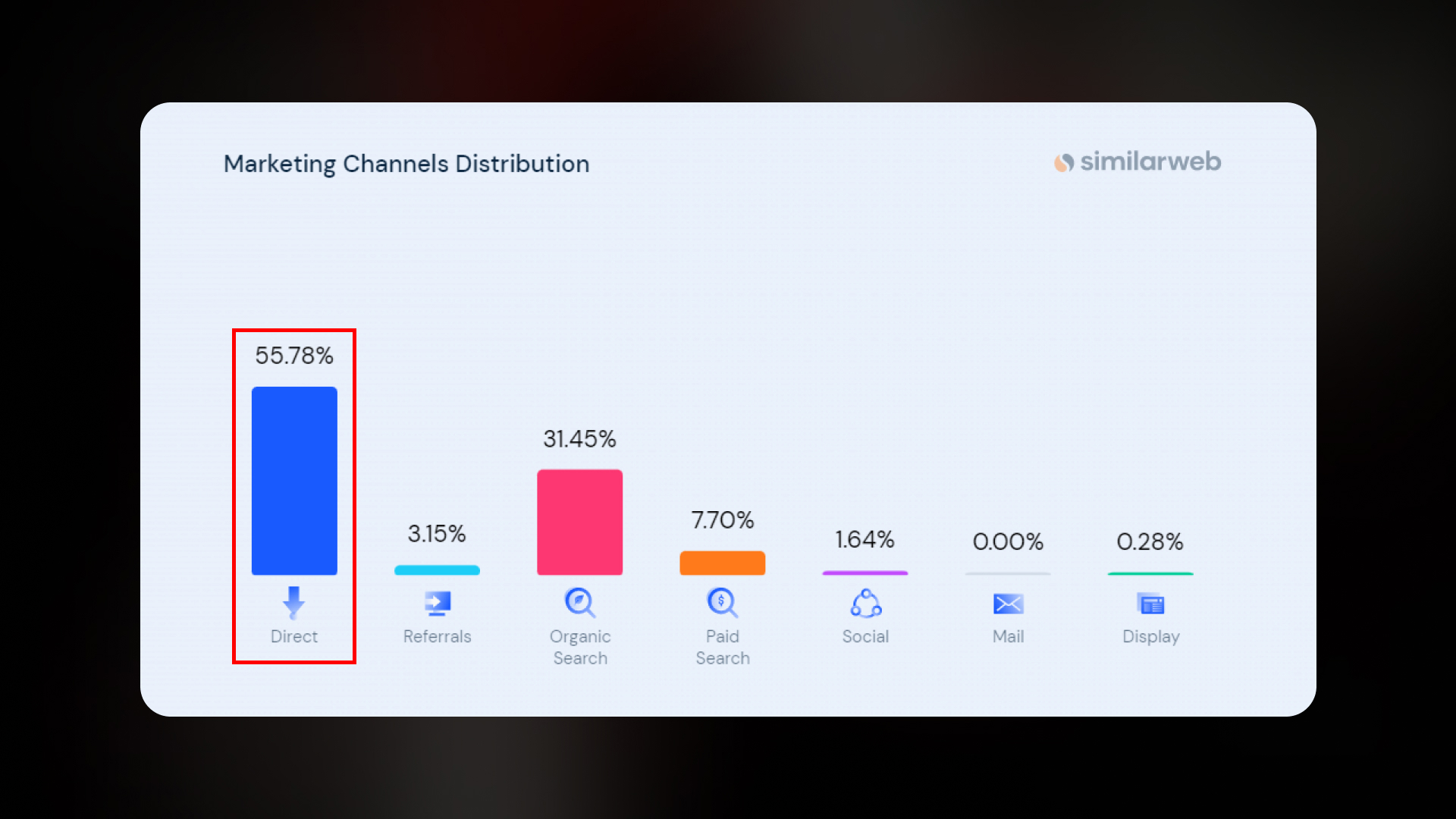
The Google Chrome browser tracks the sources of referrals to a website. And if you get a lot of direct traffic to your resource, users enter your URL, which means that the site is popular and the content on it is of high quality.
125. Return to the page
If visitors return to your site and re-visit it, Google will raise the ranking of the resource in the search results.
126. Pogo sticking
The name of a popular children’s jumping toy also has a figurative meaning in SEO. This is the process of visiting pages by a user to find the right (relevant) one. When a person opens a link and immediately closes it and goes to another site, this is pogo-sticking. It is important because it indicates that the site from which the users quickly left doesn’t have value to them, so it may fall in the search results. Pay attention to key queries and negative keywords to make your site as relevant as possible and show up for those queries that will bring benefits and conversions.
127. Blocking by users
The Panda algorithm takes into account the blocking of a website by users due to extensions and lowers its position, concluding that the resource is of poor quality.
128. Adding a website to bookmark
Frequent bookmarking of a page in the Google Chrome browser helps to promote it.
129. The number of comments under the article
If the page has a lot of comments, it is an indicator of the quality and usefulness of the content for Google. People are involved in the discussion, which means it’s time to push the page higher in the search results.
130. Time spent on the site
The longer users spend on a page, the better it is for rankings.
SPECIAL REQUIREMENTS OF GOOGLE
131. The query requires novelty
There are queries for which Google ranks new pages higher. Usually, it concerns news, information about epidemics, etc.
132. The query requires a variety
Often a query has several meanings at once. Polysemous words are quite common in the Ukrainian language. If a keyword in a query has several meanings, Google compiles search results based on its statistics: what the user meant most often when he or she asked such a question. However, realizing that something else could have been meant, Google “mixes” sites with other content into the search results.
133. Customized search results
Google takes into account the history of your visits and ranks the sites you visit more often higher in the search results for you.
134. Transactional search
If the query contains the word “buy”, the position in the results will change more often. For informational queries, the results are more stable.
135. Geo-targeting
Geo-targeting is the selection of a target audience based on geographical features. Sites with local IP servers are prioritized in search results for a particular user.
136. Highlighted descriptions
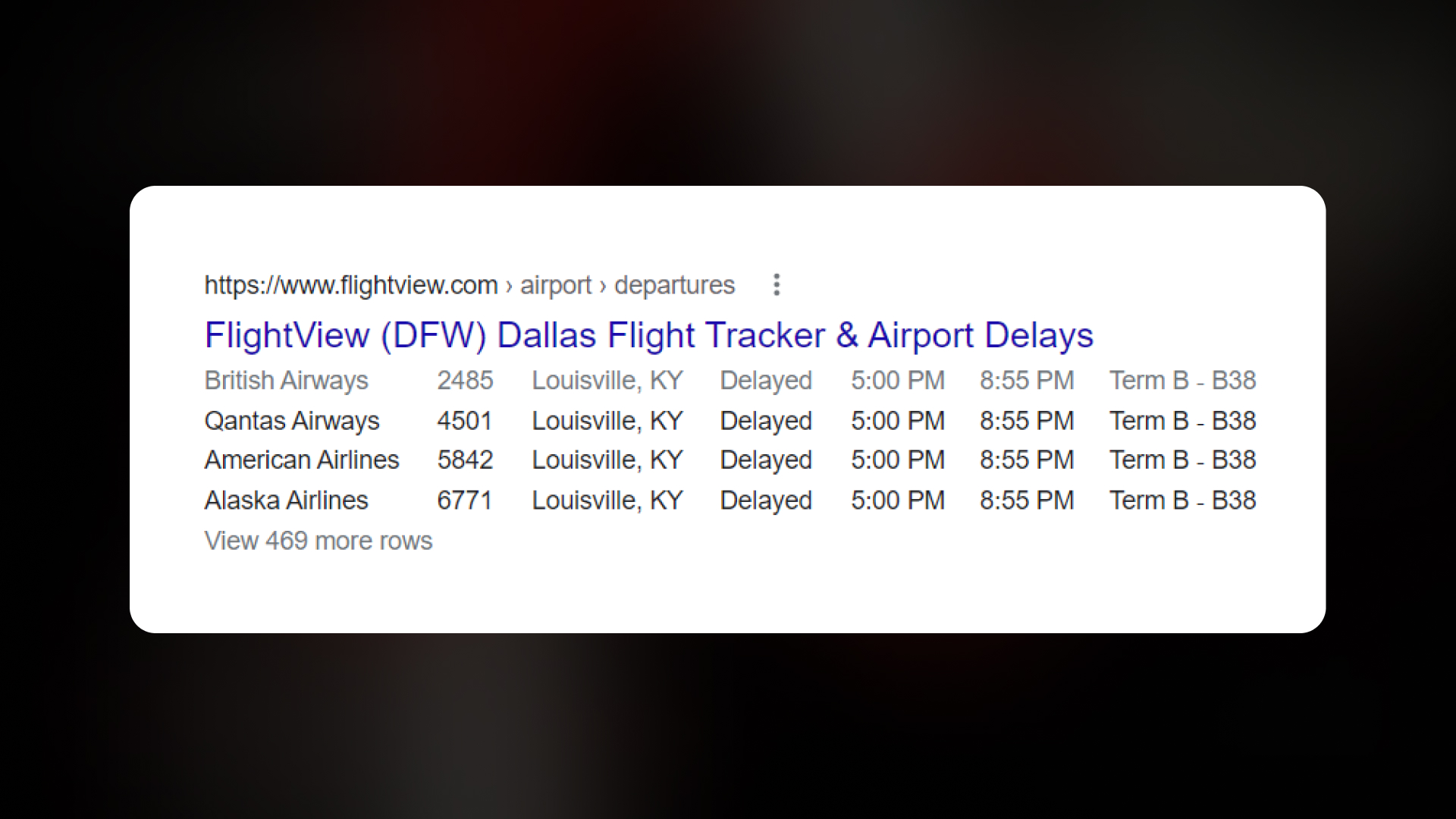
For some queries, Google provides information in a separate block above the search results. For highlighted descriptions, Google selects content based on its length on the page, text formatting, HTTP usage, and page authority.
137. Using secure search
If the user turns on the safe search function, the search results will not include sites with mat and 18+ content, even if they are more relevant than the proposed pages.
138. YMYL keys
Google ranks resources with medical and financial keywords differently. This type of content is called “Your Money or Your Life”. Relevant content and quality links will not be enough.
139. Copyright infringement
Google reduces the ranking of sites in the search results that have complained about copyright infringement.
140. Local search
Google shows websites of companies with a local physical address above the usual organic results.
141. User query history
The sequence of queries of an individual user also affects the search results. For example, if you first searched for “reviews” and then “laptops," Google will probably show you higher results with reviews and feedback on different laptops.
142. Priority for well-known brands
In 2009, Google released an update called Vince. It ranks the websites of big brands higher than others in search results.
143. Online stores offers
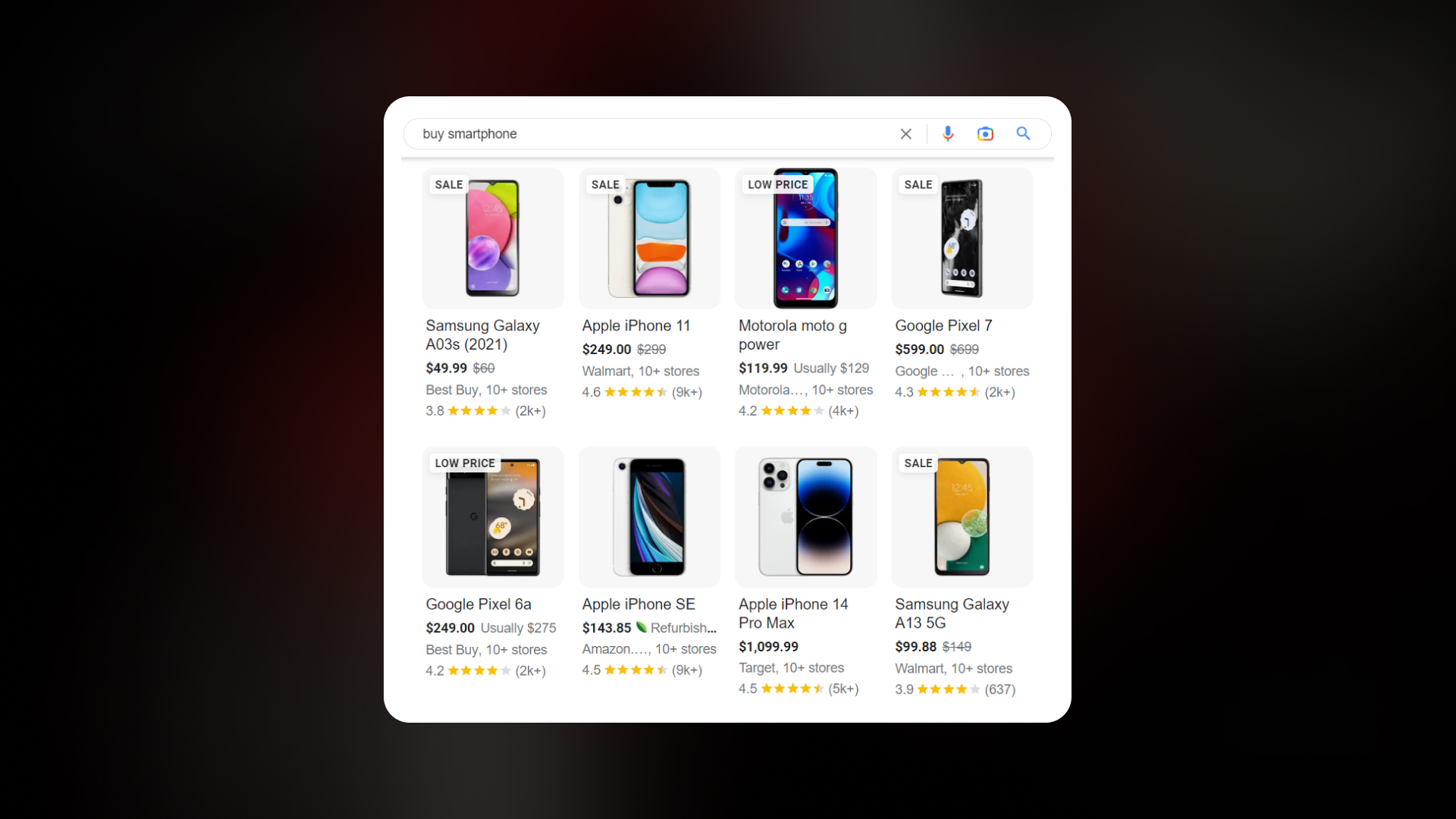
For some commercial queries, an additional block with products from different online stores is added to the search results.
144. Google images
Sometimes they are displayed in a separate block in search results. Optimize your images, and add titles, descriptions, and Alt attributes to them to increase your chances of getting into the additional block.
145. Multiple positions in the search results for branded queries
Promote your website with branded queries, which can help you to take several positions in the search results.
146. Payday Loans algorithm
One of the most significant Google updates, which was aimed at spam queries related mostly to shady industries, such as ultra-high-interest loans and payday loans, prohibited 18+ materials, and other queries that are heavily spammed.
BRAND FACTORS
147. Link anchor with the brand name
A simple but effective way to start ranking for branded queries.
148. Search queries with the company name
If a company name is entered into the search bar, Google understands that your site represents this company and ranks it higher for similar queries.
149. Keywords in connection with the brand
If users enter the keyword phrase + brand into the search bar, this is a signal for Google to rank the page higher for this keyword phrase without the brand name.
150. Linkedin profile
Strong brands in the eyes of Google must have an official company page on Linkedin.
151. Facebook account with followers and likes
For Google to recognize you as a strong brand, create a Facebook profile, engage your audience, and collect likes.
152. Twitter account
If a company has a Twitter profile with followers, it is a signal to Google that the brand is popular.
153. Attribution of content
The main trend in SEO promotion is content expertise. To confirm your expertise, provide a photo, name, and position of the author. Google loves it when authors are real people. And experts in the company make it more authoritative in the eyes of the search robot.
154. “White hat” methods of social media promotion
Social media activity is an important factor in Google rankings. But Google checks not only the existence of an account but also the methods of its promotion. To this end, Google has patented a methodology for detecting fake accounts on social media. A profile with 10,000 subscribers and only 2 posts raise doubts about its legitimacy.
155. Mention of the company in the news
One of the signs of a company’s credibility for Google is the mention of its name or brand in the main news block.
156. Mention a brand without a link
If other websites mention your company but do not link to it, Google recognizes this as a brand signal.
157. The presence of an offline business
Google analyzes the physical location of the company. Large brands usually have a headquarters and a network of branches. Do not hide information about your location, it helps in ranking the site.
INTERNAL SPAM FACTOR
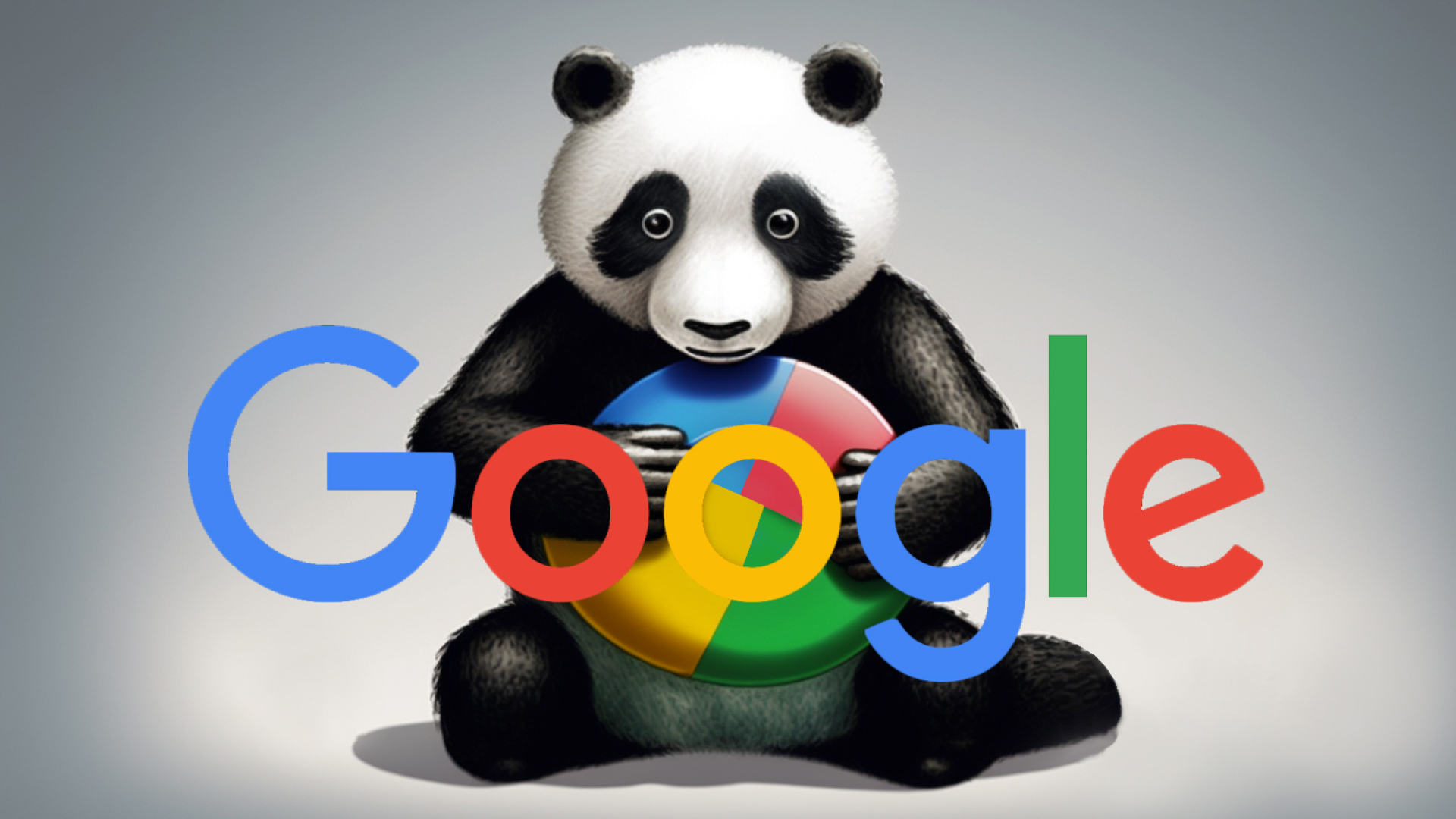
158. Panda algorithm
A resource with low-quality content loses its ranking due to the imposition of filters from the fluffy Panda algorithm.
159. Outbound links to dubious sites
The “bad neighborhood” factor is triggered: if you link to casino sites or resources with adult content, Google thinks that you are not far from them, and your website becomes less visible in the search.
160. Cloaking and hidden redirects
The user should see the same information as the search robot. You can’t hide or obscure content, make it invisible (white letters on a white background). A classic disguise technique is to show a page with HTML text to a Google search robot, while the user sees all the content in pictures. Such attempts to deceive the robot are punishable by complete exclusion from the index.
161. Annoying ads and pop-ups
From Google’s point of view, pop-ups and intrusive ads are a sign of a low-quality website.
162. Pop-ups on mobile devices
Google imposes sanctions on websites that launch pop-ups in the mobile version that cover the entire screen.
163. Over-optimization
Many SEO newbies think that the more keys you have in your text, the better you are for search results. In fact, no. It will rather work in the opposite direction and inform the robot about spamming and abuse. Write organic texts with adequate keyword density and it will work much better.
164. Junk content
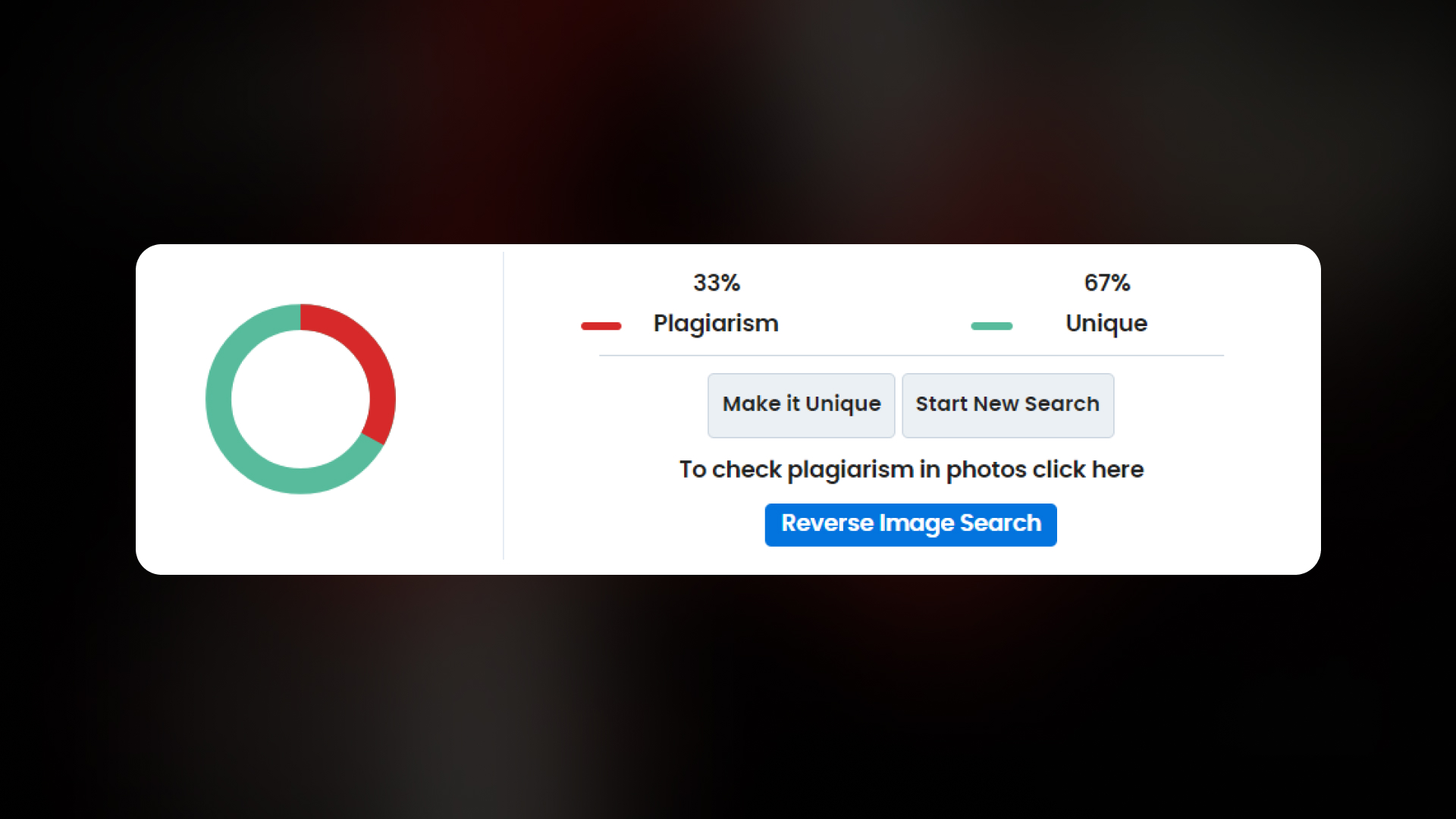
Plagiarism, non-unique rewriting, or auto-translation are signals to Google that content belongs in the trash, not in the search results.
165. Doorway
A user tries to go to one site from the search results but ends up on a completely different one because of the automatic redirection setup. Resources that are created only to redirect users are called doorways. Google bans such techniques.
166. Website cover under advertising
Websites that have little content on the first screen and a lot of ads fall under the Page Layout algorithm filter.
167. Hidden affiliate links
An excess of affiliate links on a page can significantly lower the search results, but if you decide to hide them from the search robot, you cannot avoid sanctions.
168. Fred algorithm
Fred is another fighter against low-grade content, spamming with affiliate links, and traffic drain from Google. It removes from the search results sites that prioritize income and promotion over usefulness. By the way, this applies not only to profitable sites that monetize by placing ads but also to most commercial resources. A good way to protect yourself from Fred is to blog with useful articles.
169. Auto-generated content
Google can recognize human-written text and automatically generate machine-generated content. Sites from the second category are banned.
170. IP address marked as spam
A chain reaction occurs: when a server IP address is marked as spam, all sites on that server are pessimized.
171. Spam in meta tags
The most important thing about meta tags is their naturalness. Using keywords in the title and description metatags is an important ranking factor but enter the keys in such a way that the text remains readable. Put the words in the correct order and according to the context.
EXTERNAL SPAM FACTOR
172. The site is hacked
If Google thinks that your site is hacked, the robot will throw it out of the index in 1 day.
173. A sharp jump in link mass
An unnatural significant increase in links in the eyes of Google looks like they were added on purpose. This is considered an abuse of the algorithm and is punishable by sanctions. Therefore, build links smoothly and gradually.
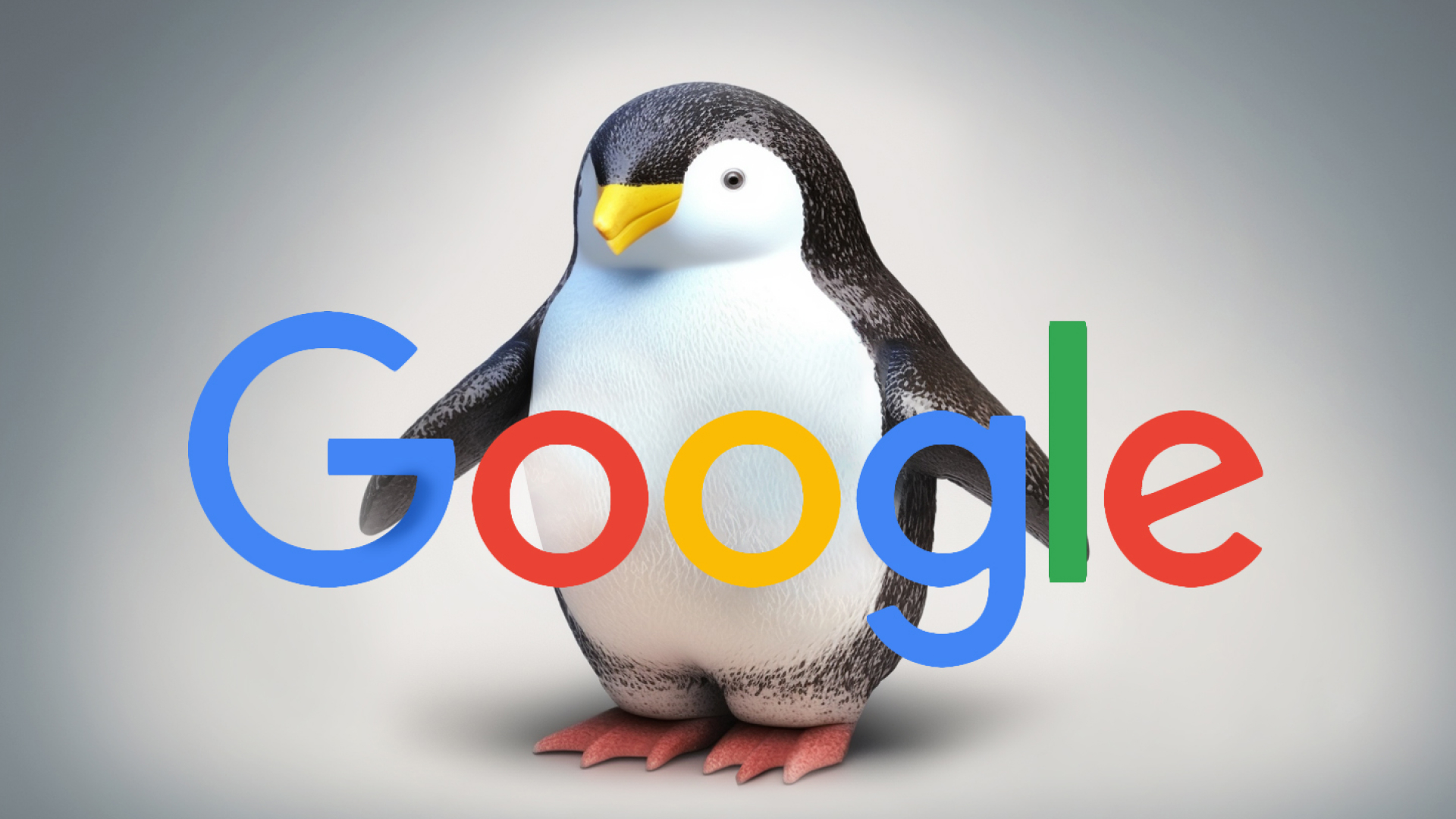
174. Penguin filter
This algorithm fights against low-quality link mass. This is especially true for resources that have purchased a lot of rented links and use the services of non-thematic resources with poor trust and authority. Analyze your link weight and refuse from questionable donors that will only worsen your position.
175. The topic of the donor’s website does not belong to your niche
When checking manually, Google may apply a filter to sites that have a lot of links from non-topical resources. Therefore, to be on the safe side, seriously think about how to connect the donor’s niche with yours and what article to write for this purpose.
176. Google Search Console notifications
If you receive such an email “unnatural links have been detected” it’s not good. Usually, such a warning precedes a rapid drop in rankings, but not always, it can also happen the other way around, and Google will simply put you in front of the fact.
177. Links from low-quality directories
If you place links to your site from directories, always select them manually, do not use ready-made selections from the Internet, they may contain spammed or abandoned resources.
178. The same IP links to you
If Google notices that links to your site come from the same IP address, it is a sign that you are building up the number of links through a network of blogs. For this, the site receives assimilation.
180. Prohibited link anchors
If the text of an anchor link contains keywords related to pornography, violence, drugs, tobacco, any medicines and dietary supplements, casinos, and other dubious ways of making money, Google considers it a sign of spam or a hacked site. In any case, you will lose positions.
181. Unnatural links
Are all the links leading to your website anchored? Are they commercial? With an open do-follow? Google will notice this and you will be banned. You might wonder why, since all the links are of high quality, and the sites are trusted and not spammed. But it’s because it doesn’t happen in real life. It’s unnatural for everyone who links to you to generously distribute the weight of their site, and even hang anchors on the link instead of just sharing it. To achieve “naturalness”, work on building a link profile that includes all kinds of links
182. Links from press releases
Frequent misuse of links from press releases has led Google to consider this source to be of low quality.
183. Sandbox
One of the filters from the Google search engine is applied only to young sites that have recently been included in the search results. A new site sits in the sandbox for several months — it is not ranked by search engines, so users cannot find it. Develop your site with interesting content and get it out of the sandbox as soon as possible. Buying links can only harm it and it will remain in the sandbox for a long time. Don’t forget that a link is a recommendation from the point of view of search engines, and who can recommend a site that has just been created and no one has ever seen it? The robot will recognize this as abuse.
184. Link donation
If Google catches you selling links, you will lose your rankings.
185. Link disavow tool
Google’s algorithms make mistakes too. The link disavows tool removes sanctions from the site imposed by a robot or moderator manually if they were wrong.
186. Google Dance
This phenomenon can temporarily increase the ranking of a website to understand whether the content is interesting to users or whether there is cheating.
187. Temporary links
They are placed only for a short period and then removed. Temporary links are cheaper and allow you to achieve results quickly. But don’t rush to rejoice. Google sees temporary links and monitors link mass fluctuations. Temporary links can cause your website to be filtered.
SUMMARY
So, after reading this article, you have realized that SEO is a multifaceted and thorough work with various factors that together give a particular result. It is difficult to single out any one group of factors and say that you should work on it. It doesn’t work that way. Pay attention to each factor and promote your website to the highest positions.
The main thing is to remember that search engine is becoming more adaptive and intelligent every day. So don’t waste your time trying to outsmart it, just optimize your website for these factors and enjoy the result. If you want to check the technical part of your site and remove errors in the code — contact us, and let’s work on your site together.
We hope that it was useful. The Solar team!