
We Outline the Best Approach for Your Company to Outsource Customer Service
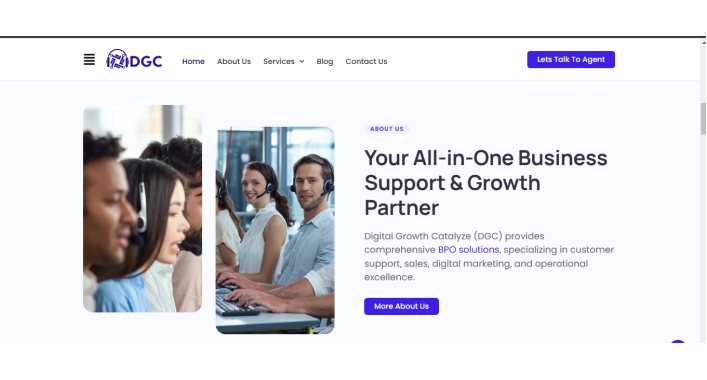
Outsourcing customer service offers a cost-effective and efficient solution, but only if done correctly. Let’s dive into the right way to outsource your customer service, step by step.
Understanding Customer Service Outsourcing
What is Customer Service Outsourcing?
Customer service outsourcing refers to hiring a third-party provider to handle customer interactions and support tasks. This can include managing inquiries, resolving complaints, processing returns, and offering technical support. Businesses often outsource via call centers, virtual assistant companies, or specialized agencies.
For instance, if you’ve ever called a helpline or used live chat support, there’s a high chance the person assisting you is from an outsourced team. The goal? To provide seamless, professional support without the need to expand your in-house team.
Why Businesses Choose to Outsource Customer Service
Why outsource? The answer is simple: efficiency. Outsourcing reduces operational costs and allows companies to tap into specialized expertise. Imagine running a small e-commerce store during the holiday season. Your sales skyrocket, but so do the number of support tickets. Outsourcing lets you scale up quickly, ensuring no customer query goes unanswered.
Additionally, outsourcing gives you access to advanced technology and multilingual support, enhancing customer satisfaction across regions.
Advantages of Outsourcing Customer Service
Reduced Operational Costs
One of the biggest advantages of outsourcing customer service is the significant reduction in expenses. Hiring and training an in-house team involves costs for recruitment, salaries, benefits, and infrastructure. By outsourcing, you pay for the services you need—no extra overhead.
Moreover, outsourcing providers often operate in regions with lower labor costs, offering the same or better quality of service at a fraction of the price. For small businesses, this cost efficiency can mean the difference between surviving and thriving.
Access to Specialized Expertise
Outsourcing firms are experts in what they do. Their agents are trained in customer service best practices, problem-solving techniques, and using advanced tools. They also stay updated with industry trends, ensuring your customers receive top-notch support.
For example, a tech company can outsource its technical support to a provider specializing in troubleshooting and IT solutions. This ensures customers interact with knowledgeable professionals, enhancing their overall experience.
Scalability and Flexibility
Business needs can fluctuate, especially during peak seasons or product launches. Outsourcing offers unmatched scalability, allowing you to adjust the level of support as needed. Whether it’s ramping up during a sale or reducing staff during slow months, outsourcing provides the flexibility to adapt without added stress.
Outsourcing partners often offer customizable plans, enabling you to choose services that align with your specific needs and budget.
Focus on Core Business Functions
Outsourcing customer service allows your in-house team to focus on what they do best—core business activities. When your employees aren’t tied up answering calls or responding to emails, they can dedicate their time and energy to product development, marketing strategies, and other growth-oriented tasks.
For instance, a startup might need its team to concentrate on building a new app. Outsourcing customer support ensures that users still receive quality assistance without diverting resources from the app development team. It's a win-win: customers stay happy, and your team drives innovation.
Challenges of Outsourcing Customer Service
Maintaining Quality Standards
One common concern with outsourcing is the potential loss of quality. Since the outsourcing team operates externally, there’s always a risk that they won’t represent your brand as effectively as an in-house team. This can lead to a disconnect between your company’s values and the service delivered to your customers.
The key to overcoming this challenge is clear communication and setting expectations. Collaborate with your outsourcing partner to create detailed scripts, training modules, and service guidelines that align with your brand voice.
Language and Cultural Barriers
If your outsourcing partner is located in a different country, language and cultural differences may pose challenges. Miscommunication or cultural misunderstandings can frustrate customers and damage your brand’s reputation.
To mitigate this, choose providers with multilingual teams or expertise in your target market. Training programs should include cultural awareness to ensure customer interactions remain smooth and professional.
Security and Data Privacy Concerns
Handling sensitive customer information comes with risks, especially when outsourcing. Breaches, data leaks, or unauthorized access can result in loss of trust and legal repercussions.
Lack of Direct Oversight
Outsourcing means relinquishing some control over day-to-day operations. Without direct oversight, it may be harder to monitor agent performance or address issues in real-time.
To maintain oversight, establish regular performance reviews, set clear KPIs, and use tools like CRM dashboards for visibility. Strong communication channels between your team and the outsourcing partner are essential for staying aligned.
Steps to Successfully Outsource Customer Service
Define Your Objectives and Needs
Before diving into outsourcing, identify your specific needs. What type of support do your customers require? Is it phone support, email, live chat, or all three? Define clear objectives, such as improving response times or expanding support hours.
Having a clear vision helps you find an outsourcing partner that aligns with your goals. For example, a business aiming to provide 24/7 customer service should look for providers offering round-the-clock support.
Choose the Right Outsourcing Partner
Start by researching reputable providers with experience in your industry. Read reviews, request case studies, and reach out to references to understand their capabilities.
When evaluating potential partners, ask questions like:
- What industries do you specialize in?
- How do you train your agents?
- Can you provide performance metrics?
Choose a provider that prioritizes transparency and shares your commitment to excellent customer service.
Establish Clear Communication Channels
Communication is the backbone of any successful outsourcing relationship. Define how and when you’ll communicate with your outsourcing team. Will there be weekly meetings? Monthly performance reviews? Decide on the frequency and format of updates.
Additionally, use collaboration tools like Slack or Trello to keep everyone on the same page. Clear guidelines, open communication, and feedback loops ensure both parties remain aligned.
Train and Align Teams
Although outsourcing teams are trained professionals, they still need guidance to represent your brand effectively. Provide detailed onboarding sessions, introduce your company values, and share customer personas to help agents understand your audience better.
Offer regular training sessions to keep the team updated on new products, services, or changes in policies. The more aligned they are with your brand, the better the customer experience they’ll deliver.
Best Practices for Managing Outsourced Customer Service
Set Measurable KPIs
Key Performance Indicators (KPIs) are essential for tracking the success of your outsourcing strategy. Common KPIs include:
- Average response time.
- First-call resolution rate.
- Customer satisfaction score (CSAT).
- Net Promoter Score (NPS).
Monitor these metrics regularly to evaluate your outsourcing team’s performance and identify areas for improvement.
Regular Feedback and Collaboration
Maintaining a collaborative relationship with your outsourcing partner is vital. Schedule regular feedback sessions to discuss performance, share updates, and address concerns. Collaboration fosters trust and ensures continuous improvement.
Encourage open communication between your in-house and outsourced teams to build a unified outsourced customer service approach.
Invest in Technology Integration
Leverage technology to enhance the efficiency of your outsourced team. CRM systems, ticketing tools, and AI-driven chatbots can streamline workflows and improve response times. Integration between your in-house systems and outsourcing partner’s tools ensures seamless operations.
For example, using a shared CRM like Salesforce allows both teams to access customer histories, reducing resolution times and improving service quality.
Outsourcing Trends and Innovations in 2025
Use of AI and Automation
Artificial intelligence (AI) and automation are transforming outsourced customer service. Tools like chatbots, virtual assistants, and AI-driven analytics enable faster responses and improved efficiency. Many outsourcing providers now incorporate AI to handle routine queries, freeing up human agents for complex issues.
For instance, chatbots can manage FAQs or basic troubleshooting 24/7, ensuring instant responses.
Global Outsourcing Hubs
Emerging markets continue to dominate the outsourcing landscape. Countries like the Philippines, India, and Mexico remain popular due to their skilled workforce, multilingual capabilities, and cost-effectiveness. Meanwhile, Eastern Europe and South Africa are gaining traction as reliable outsourcing destinations.
When selecting a global partner, consider factors such as time zones, cultural compatibility, and language proficiency to ensure smooth collaboration.
Remote and Hybrid Models
The pandemic accelerated the adoption of remote and hybrid work models in outsourcing. Many providers now offer flexible arrangements, allowing agents to work from home or a centralized office. This flexibility enhances job satisfaction and attracts top talent.
Additionally, remote outsourcing models reduce infrastructure costs and enable businesses to scale faster. As technology continues to improve, remote teams are becoming more efficient and integrated.
How to Analyze the Success of Your Customer Service
Customer Satisfaction Surveys
Customer feedback is a direct indicator of your outsourcing strategy’s success. Conduct regular satisfaction surveys to understand how customers perceive the service. Tools like SurveyMonkey or Google Forms make it easy to gather and analyze feedback.
For example, ask questions like:
- Was your issue resolved promptly?
This feedback provides actionable insights to enhance service quality.
Tracking Key Metrics
Performance metrics are vital for assessing your outsourcing partner’s effectiveness. Some key metrics include:
- Net Promoter Score (NPS): Measures customer loyalty.
- First Call Resolution (FCR): Indicates the percentage of issues resolved on the first interaction.
Evaluating Cost Efficiency
Outsourcing is often chosen for its cost-saving potential, but it’s important to ensure the investment delivers value. Compare the costs of outsourcing to the revenue generated through improved customer satisfaction and retention.
For instance, if outsourcing reduces churn by 10%, the increased lifetime value of retained customers should outweigh the costs of the outsourcing service. This ROI analysis helps justify your decision and refine your approach.
Conclusion
Outsourcing customer service can be a game-changer for businesses seeking efficiency, cost savings, and access to specialized expertise. However, success depends on a strategic approach. By defining clear objectives, choosing the right partner, and maintaining strong communication, you can create an outsourcing strategy that enhances customer satisfaction and drives business growth.
Take the time to align your outsourcing efforts with your company’s goals, invest in training, and use technology to bridge any gaps. With careful planning, outsourcing can transform your customer service into a competitive advantage.





It's free and takes 2 minutes. There are 1500+ digital agencies in the catalog that are ready to help in the implementation of your tasks. Choose and save up to 30% on time and budget!