
What Is Elon Musks IQ? The True Story Behind the Numbers
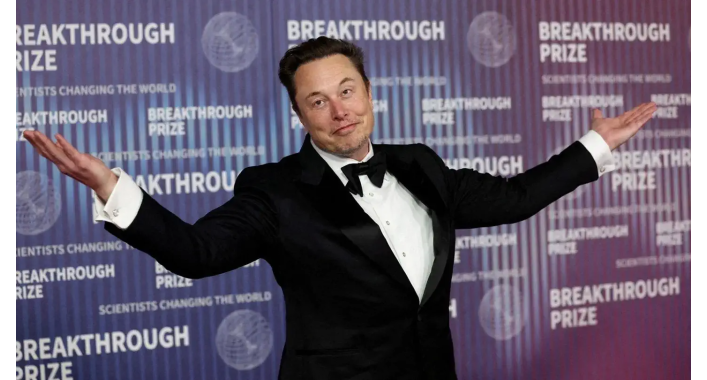
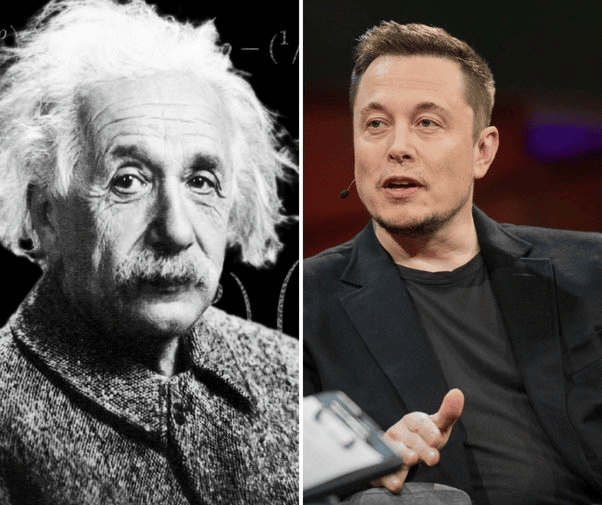
Elon Musk’s IQ continues to spark debate. Common estimates place it between 155 and 160, classifying him as “Highly Gifted.” Yet biographer Seth Abramson challenged this, suggesting Musk’s IQ might be no more than 110. This sharp contrast has fueled much discussion about the man’s actual intellectual capacity. Musk displayed precocious talents—he learned programming at age 12 and later founded groundbreaking companies such as SpaceX, Tesla, and Neuralink. His reported SAT score of 1400 from the late 1980s suggests an IQ in the mid‑130s. In this article, we unpack the evidence behind various estimates, explore Musk’s documented achievements, and compare him to other extraordinary minds like Einstein (whose IQ is often estimated at 160–165).
What Is Elon Musk’s IQ Score? Separating Fact from Fiction
The debate over Musk’s intelligence has drawn input from academics, analysts, and enthusiasts alike. Many calculations place his IQ in the 155–160 band, positioning him among the world’s most intellectually gifted individuals.
The Common 155–160 Estimate
Statistical analyses suggest Musk’s IQ lies within a 95% confidence range of 154–166. Factors include his academic record at UPenn, physics major statistics, and correlation with SAT scores. This score solidly places him in the top 2% worldwide, highlighting extraordinary skills in abstract thought, rapid learning, and complex reasoning.
Sources of These Estimates
Multiple methods feed these high-end claims:
-
Academic Performance Metrics
Researchers use peer norms from UPenn’s physics programs and other top-tier disciplines as baselines. -
SAT–IQ Correlations
His 1400 SAT score is frequently converted into an IQ estimate using standard deviations and conversion models. -
Achievement-based Judgments
Some experts factor in Musk’s performance in engineering, leadership, and multidisciplinary ventures to justify higher estimates.
However, Abramson’s dissenting view argues that no credible evidence supports an IQ over 110—a claim that frustrates many Musk admirers and continues to intensify debate.
Musk’s Own Views on IQ
Musk himself is ambivalent about IQ scores. Though he has mentioned a hypothetical 155, he often emphasizes that IQ is “not that useful” and not a strong predictor of real-world success. He values rather:
- Creative problem-solving
- Relentless work ethic
- Innovation
- Embracing risk
These traits, he suggests, matter much more than any test score.
Understanding IQ: What the Numbers Actually Measure
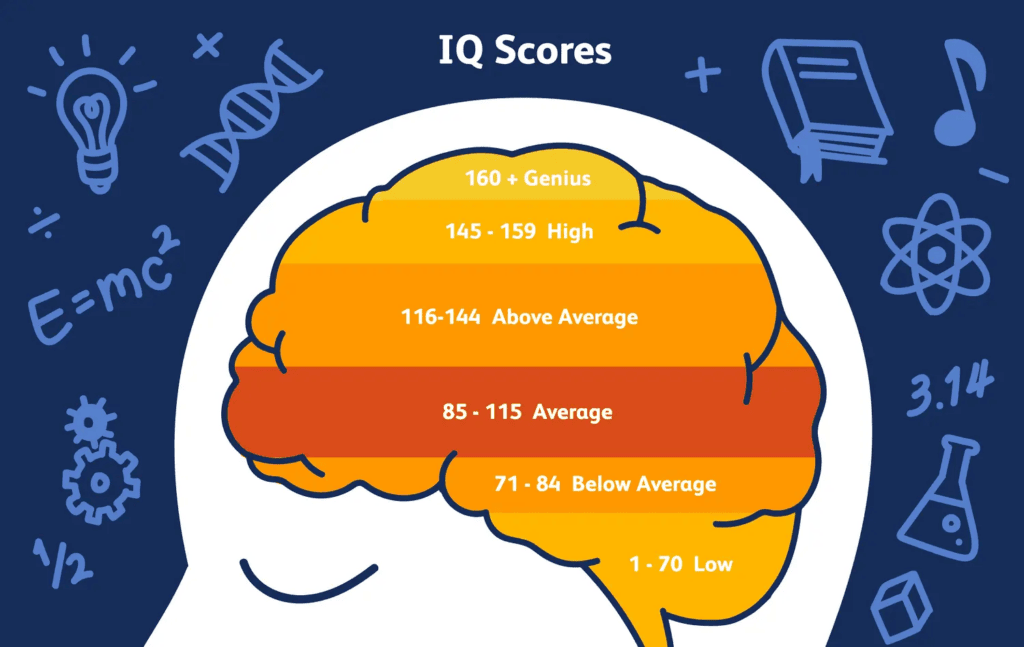
IQ tests aim to quantify certain cognitive functions—logical reasoning, pattern recognition, mental processing, and verbal aptitude—using a scaled distribution where 100 is average and most people fall between 85 and 115. The “deviation IQ” model re-centers around age norms so scores are comparable across age groups.
What Defines “Genius-Level”?
In many psychological frameworks, genius-level intelligence starts at IQ 140+, which places one among the top 2% of the population. Scores beyond 160, though often cited, face significant measurement noise and debate around their validity.
IQ tests typically emphasize three core faculties:
- Short-term (working) memory
- Logical reasoning
- Verbal comprehension
But IQ tests do not measure emotional intelligence, creativity, practical problem-solving, or leadership—qualities central to human achievement.
Scores can vary by ±10 points across different test administrations, and scores beyond 160 often carry more uncertainty because of sample limitations and ceiling effects.
Evidence of Elon Musk’s Intellectual Capabilities
Elon Musk’s life offers a compelling case beyond test scores.
Academic Achievements & Early Signals
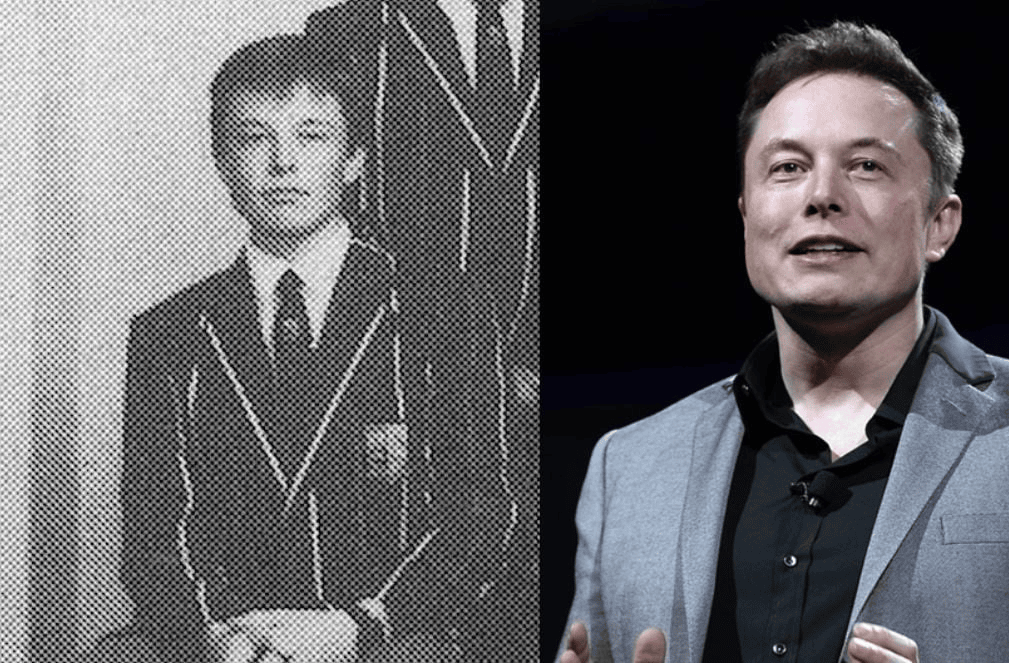
He delivered consistent academic performance at Pretoria Boys High School, then transitioned to Queen’s University and UPenn, ultimately earning dual bachelor’s degrees in physics and economics. His SAT score of 1400 reinforced his analytical potential. At one point, he qualified for Stanford’s graduate program but departed to pursue entrepreneurial ventures instead.
Technical Mastery Across Disciplines
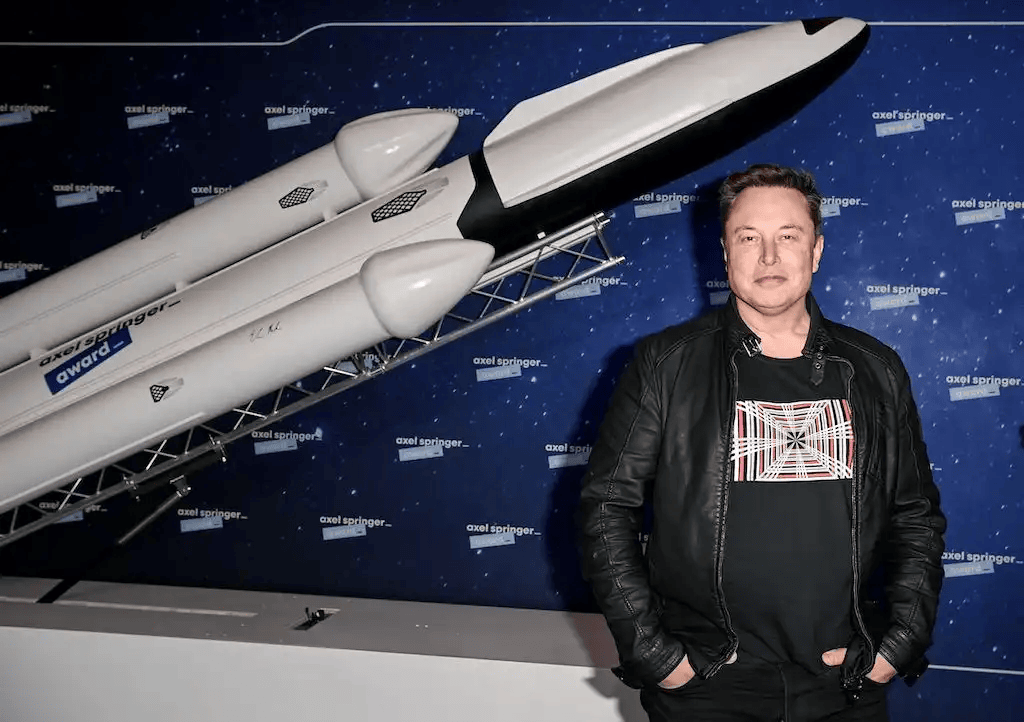
Musk is known for immersing himself in multiple disciplines—advanced aerospace, machine learning, energy systems, neural technologies. At SpaceX, he plays both CEO and lead engineer roles. Under his leadership, SpaceX has developed:
- Falcon rockets (1, 9, Heavy)
- Reusable launch systems
- Dragon spacecraft
- Starlink constellation (6,000+ satellites by 2024)
His influence crosses domains: energy, transport, AI, and space technologies, demonstrating a blend of conceptual and applied intellect.
Problem-Solving — Signature Methods
Elon Musk frequently uses four cognitive strategies:
- First-principles thinking: distilling problems to fundamentals
- Limit analysis: pushing boundaries at both extremes
- Ideal visualization (Platonic): envisioning the perfect form then working backward
- Optimization frameworks: careful, iterative improvements only when necessary
These tactics, combined with bold risk-taking and tenacity, have earned him accolades—from aerospace societies to memberships in engineering academies.
Beyond IQ: Dimensions of Musk’s Cognitive Profile
Intelligence is multifaceted—and Musk’s strengths extend beyond standard IQ metrics.
Creative Intelligence & Innovation
His reliance on first-principles thinking enables him to challenge assumptions and reimagine industries. He generates novel solutions unconfined by prevailing norms.
Emotional Intelligence & Leadership
Musk’s public admission of Asperger’s offers a lens into his interpersonal style. His leadership alternates between compelling vision and austere demands. He often practices what’s known as the “four-second rule”—pausing before speaking to weigh responses.
Risk, Decision-Making & Resilience
Unlike cautious entrepreneurs, Musk often invests his personal capital (e.g. $9.53M in X.com) and spends recklessly in crises to preserve mission continuity. His response to both failures and successes reveals a mindset attuned to growth through adversity.
How Smart Is Elon Musk Compared to Other Geniuses?
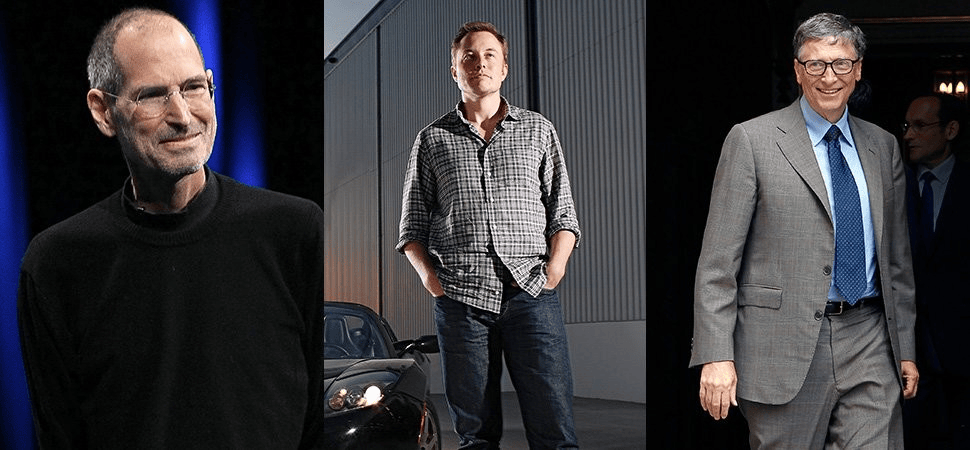
Comparing Musk to historic greats like Einstein or Hawking is fraught with complexity, but useful to frame differences.
Einstein’s estimated IQ (160–165) reflects theoretical breakthroughs. Musk’s genius lies in application—turning scientific insight into scalable technologies across multiple fields. In side-by-side comparisons with tech visionaries (e.g., Jobs, Gates), Musk is often applauded for his engineering depth and cross-domain fluency.
The Controversy & Scepticism
Seth Abramson’s critique ignited controversy by positing Musk’s IQ in the 100–110 range, skillfully dissecting public claims and historical decisions. He challenges the narrative that high IQs necessarily produce success, spotlighting privilege, opportunistic support, and selective storytelling. Abramson also criticizes Musk’s communication for being inconsistent, provocative, and at times opaque.
Critics argue that conflating wealth, visibility, and achievement with IQ is a common but flawed narrative—especially when the attribution lacks documented testing.
Conclusion
Elon Musk’s intelligence is not reducible to a single number. While many place his IQ between 155 and 160, dissenters propose much more modest figures. What’s indisputable, however, are his accomplishments: transforming industries, pushing scientific frontiers, and tackling existential challenges through engineering application. His blend of inventive thinking, persistence, and technical insight perhaps better defines what true genius means in the 21st century.




It's free and takes 2 minutes. There are 1500+ digital agencies in the catalog that are ready to help in the implementation of your tasks. Choose and save up to 30% on time and budget!