
DevOps: The Path to Fast and Reliable Software Development
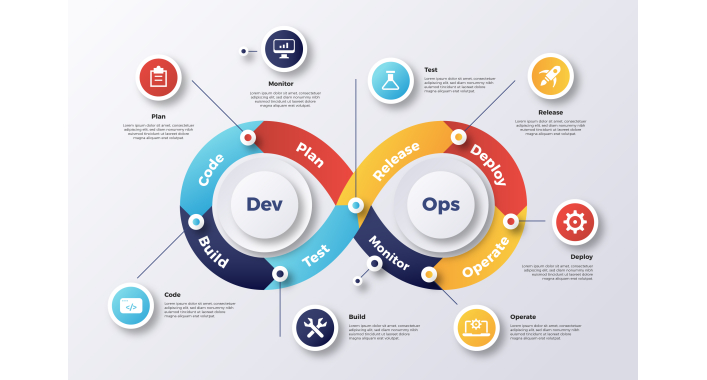
Today there is no term more discussed and at the same time mysterious than "DevOps". This concept appeared several years ago and since then has become an integral part of the work of many companies around the world. But what is behind this word, and why is DevOps so important in the modern world of software development? In this article, we will find out in detail who a DevOps engineer is, what he does, and how DevOps principles can change the approach to creating and managing software.
What is DevOps?
DevOps is a cultural and professional approach that seeks to unite development and operations teams. The main idea of DevOps is to improve the cooperation between these two groups, reduce the time to deploy new and improved features, and also increase the stability and quality of the software.
Historical context
DevOps was born as an answer to the problems that arose due to the division of responsibilities between developers and operators. Before the advent of DevOps, software development and support were often separated: developers created the code, and operations teams were engaged in its deployment and support. This led to slow processes, conflicts and a high number of errors.
DevOps emerged as an answer to these problems, striving for closer integration and collaboration between teams. It is based on the principles of Agile and Lean, borrowing the best practices and approaches from these methodologies.
Basic principles of DevOps
-
Automation:
- Tools and processes: Automation allows you to minimize routine work, free up time for more important tasks and reduce the likelihood of human errors. Tools such as Jenkins, GitLab CI/CD, and Terraform play a key role in automating the build, test, and deployment processes.
- Examples: For example, using Ansible to automate server configurations or Docker to containerize applications. -
Continuous Integration and Deployment (CI/CD):
- Constant changes: CI/CD allows you to regularly integrate and test changes in the code, which ensures fast testing and deployment of new features.
- Tools: Jenkins, Travis CI, CircleCI, and GitHub Actions are popular tools for configuring CI/CD pipelines.
- Advantages: Reduction of time from development to deployment, improvement of code quality, and the ability to quickly respond to user feedback. -
Cooperation and communication:
- Cross-functional teams: DevOps promotes the creation of cross-functional teams that include developers, operators and other specialists. This allows to improve the understanding of processes and goals.
- Communication tools: Slack, Microsoft Teams, and other tools for team communication and collaboration help support constant information exchange and coordination of actions. -
Monitoring and feedback:
- Monitoring: Constant monitoring of systems and applications helps quickly identify and eliminate problems, which significantly reduces downtime and improves user experience.
- Tools: Prometheus, Grafana, and ELK Stack are common tools for monitoring and analytics.
- Feedback: Regular feedback from users and automatic testing help make improvements and eliminate problems.
Who is a DevOps engineer?
A DevOps engineer is a professional who combines the skills of software development and infrastructure management. It plays a key role in ensuring the efficiency and reliability of software creation and deployment processes.
Key skills and knowledge of DevOps engineer
-
Knowledge of system administration:
- Operating systems: Deep understanding of various operating systems (Linux, Windows) and their features.
- Network protocols: Knowledge of basic network protocols and technologies, such as TCP/IP, HTTP(S), DNS, and others. -
Experience of working with DevOps tools:
- Containerization: Experience with Docker and Kubernetes for container management and orchestration.
- CI/CD: Setting up and supporting CI/CD pipelines using tools such as Jenkins, GitLab CI/CD and others.
- Automation: Using automation tools such as Ansible, Puppet and Chef. -
Ability to work with cloud platforms:
- Cloud services: Experience working with cloud providers such as AWS, Azure, Google Cloud Platform.
- Resource management: Setting up and managing cloud resources, including virtual machines, databases and networks. -
Programming and scripting skills:
- Programming languages: Programming experience in languages such as Python, Bash, or Ruby.
- Script development: Writing scripts for task automation and infrastructure management.
The main responsibilities of a DevOps engineer
-
Automation of processes:
- Development and implementation of scripts and tools for automation of assembly, testing and deployment processes.
- Setup and support of monitoring and alerting systems for prompt response to problems. -
Infrastructure management:
- Setup and management of server systems, databases and network infrastructure.
- Ensuring infrastructure scalability and fault tolerance. -
Continuous integration and deployment:
- Setup and support of CI/CD pipelines for automatic testing and deployment of applications.
- Ensuring compliance with development standards and best practices. -
Performance monitoring and management:
- Setting up monitoring tools for tracking the status of applications and systems.
- Performance analysis and changes to improve stability and speed. -
Security:
- Implementation of best security practices to protect applications and infrastructure from vulnerabilities and attacks.
- Regular updating and patching of systems to prevent potential threats. -
Cooperation and support:
- Work with teams of developers to identify and solve problems.
- Participation in the planning and implementation of new and improved functions.
Where is DevOps used?
Dev Ops is used in a wide variety of areas and types of organizations, including:
- Startups and small companies: Quick adaptation to changes and the ability to quickly implement new functions.
- Large corporations: Optimization of the development and support processes of large-scale systems and applications.
- Cloud services and SaaS platforms: Management and automation of the deployment of cloud applications and services.
- Financial technologies and healthcare: Ensuring high reliability, safety and compliance with regulatory requirements of critically important systems.
- Gaming industry and media: Rapid development and deployment of new features, as well as managing the scalability and performance of applications.
Conclusion about Dev Ops
DevOps is not just a set of tools, but a whole approach that includes cultural changes and improvements in software development and deployment processes. The DevOps engineer plays a key role in this process, ensuring efficiency, reliability and speed of change. The introduction of DevOps approaches can significantly improve the quality of products, accelerate their entry into the market, and make development processes more flexible and adaptive. If your organization strives for innovation and wants to remain competitive, learning and implementing DevOps practices is a step worth taking.





It's free and takes 2 minutes. There are 1500+ digital agencies in the catalog that are ready to help in the implementation of your tasks. Choose and save up to 30% on time and budget!