
Game Art Outsourcing: How Studios Create the Visuals Behind Modern Games
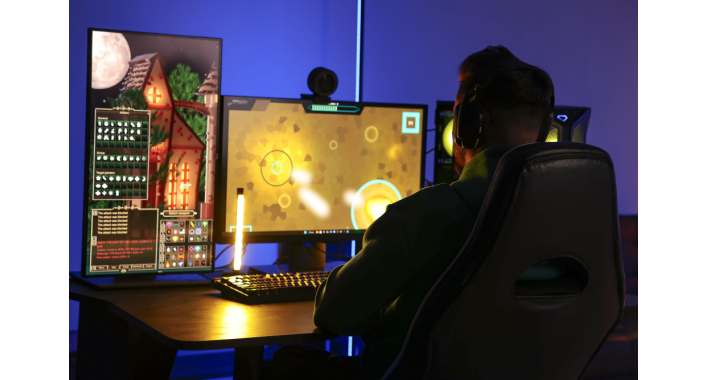
Every game a player remembers starts as a visual idea. Long before code compiles or levels load, artists shape how a world looks, how its characters move, and how its interface feels in the hand. This visual layer — concept art, 2D and 3D assets, animation, and effects — is one of the most time-consuming parts of production, and it is also where many teams run short on capacity.
That gap is why outsourcing has become a standard part of modern game development rather than a last resort. When an internal team needs extra hands, a consistent art style, or a specialty it does not have in-house, it often partners with a dedicated art vendor. A studio offering game art outsourcing services, for example, can cover the pipeline from early concept sketches to final 3D assets, so the core team keeps its focus on gameplay and systems.
What Game Art Outsourcing Actually Covers
Outsourcing is not a single service but a set of specialties that can be hired together or separately. Each one solves a different problem in production, and understanding the difference helps teams brief a vendor clearly.
Concept Art and Illustration
Concept art defines the visual direction before anything is built. It answers questions like what a world feels like, how a faction dresses, or what mood a level should carry. Strong concept art saves money later, because it aligns the whole team on a look before expensive 3D work begins. Illustration, meanwhile, produces polished key art for stores, marketing, and promotional pages.
2D and 3D Art Production
Once direction is set, production art turns sketches into usable assets. In 2D, that means backgrounds, sprites, items, and environments. In 3D, it means models, textures, and props built to a game's technical budget. A good vendor matches an existing art style so outsourced assets sit seamlessly next to work made in-house.
Character Design and Animation
Characters carry a game's identity, so their design and movement get special attention. Character design covers silhouette, personality, color, and readable detail, in both 2D and 3D. Animation then brings those characters to life — idle poses, walk cycles, attacks, and expressive moments that make a hero feel deliberate rather than mechanical. Weak animation can undercut even a beautifully modeled character, which is why the two disciplines are usually planned together.
UI/UX and VFX for Games
Interface and effects are the parts players touch and feel most directly. UI/UX design shapes menus, HUDs, inventories, and onboarding so they stay clear under pressure. VFX — explosions, spells, particles, and environmental effects — adds impact and feedback to every action. Both require artists who understand not only visuals but also how players read information in a fast-moving scene.
Core Disciplines at a Glance
Most outsourcing partners group their work into a handful of recognizable disciplines. A typical offering includes:
- concept art and key illustration that set the visual direction;
- 2D art such as environments, items, and sprites;
- 3D modeling, texturing, and asset optimization;
- character design and animation for heroes, enemies, and NPCs;
- UI/UX design for menus, HUDs, and store screens;
- VFX and, in some studios, sound and music production.
Because these disciplines overlap, many teams prefer a single partner that can handle several at once and keep the style consistent across all of them.
Slot Game Art: A Specialized Niche
Slot and casual game art deserve a mention of their own, because they follow different rules than premium console titles. The genre relies on bright, high-contrast symbols, satisfying win animations, and instantly readable themes. Producing dozens of symbols, backgrounds, and celebratory effects at volume — while keeping them cohesive — is a specialty that not every general art team handles well, which is why studios with slot experience are sought out for these projects.
Why Studios Outsource Game Art
The reasons teams reach for external art support are practical rather than ideological. The most common ones include:
- Scaling capacity quickly for a milestone without long hiring cycles.
- Accessing a specialty, like VFX or slot art, that the core team lacks.
- Keeping internal designers focused on gameplay and systems.
- Controlling cost by paying for a defined scope instead of permanent headcount.
- Getting a fresh visual perspective from artists across many projects.
Reliable partners also clarify ownership up front: on completion and payment, rights to the created assets typically transfer to the client, so the studio can use them without hidden restrictions.
Game art outsourcing has matured from a stopgap into a strategic tool. Used well, it lets a team combine its own creative vision with outside capacity and specialized skill — concept art, 2D and 3D production, character design, animation, UI/UX, VFX, and slot art — without stretching the core team thin. For developers weighing a partner, the goal is simple: consistent quality, clear ownership, and a pipeline that fits how the game is actually built.




It's free and takes 2 minutes. There are 1500+ digital agencies in the catalog that are ready to help in the implementation of your tasks. Choose and save up to 30% on time and budget!