
Best Security Practices for Web and Mobile App Development
Today we live in a world where every business has a website, an online platform, and stores data in the cloud. This has influenced the increase of cyber-attacks on storage and data leakage.
According to Open Web Application Security Project, the top ten security vulnerabilities in 2023 are:
- Broken access control
- Cryptographic failures
- Injections
- Insecure design
- Security misconfigurations
- Software and data integrity failures
Forbes has indicated that, in 2022, high security application development defence methods will be dominated by virtual private networks, role-based access control systems, multi-factor authentication and automated data backup and data recovery systems.
Having a negligent out-look to the above-mentioned threats and web and mobile application protection methods may lead to several vulnerabilities in an application’s security system.
Methods to Protect Applications and Information
Applications used by businesses exchange extremely sensitive data that hackers are continuously looking for. With sensitive data at risk, developers must use specific mobile web application security best practices to safeguard their users and customers.
Securing Mobile Apps Including Flutter Development: Key Practices
Mobile and web applications, especially those developed using frameworks like Flutter, handle extremely sensitive information, making security a paramount concern. Developers must employ a variety of the best security practices for web and mobile applications to protect user data.
Key measures for secure mobile and web app development:
- Secure Code Writing: Writing clean, secure code to prevent vulnerabilities.
- Data Encryption: Encrypting all data, including transmission over networks and local data storage (e.g., passwords).
- Strong Authentication and Authorization: Implementing robust authentication mechanisms and proper authorization settings.
- Network Security: Using secure data transmission protocols like HTTPS and ensuring secure interactions with external services and APIs.
- Abuse Prevention: Validating data on both client and server sides to prevent attacks like SQL injection and XSS, and protecting against CSRF and session manipulation.
- Input Security: Checking and filtering input data to avoid security issues.
- Updates and Maintenance: Regularly releasing updates with vulnerability fixes and maintaining the ability for users to track and update applications.
- Data Separation: Applying the least privilege principle, granting minimal access rights needed for each app component.
- Protection Against Tampering: Utilizing tools for obfuscation and monitoring app vulnerabilities.
Overall, app security is an ongoing process, and developers must continuously update and maintain web and mobile app security best practices throughout the app’s lifecycle.
Who Is Responsible for Cybersecurity and Where Does it Begin?
For a company an information security policy (ISP) is a way of thinking that a business adopts to ensure that its software is created according to web and mobile development security best practices.

It’s Vital for Software Development Organizations to Have an ISP
Security policies are used by technical experts to effectively maintain an application's security, respond appropriately and rapidly to urgent situations, and guarantee compliance with cybersecurity requirements. By doing this, the development company can assure the client that it follows security practices and continually updates and expands its knowledge base.

The ISP of a company specifies the development process and security actions that employees must take:
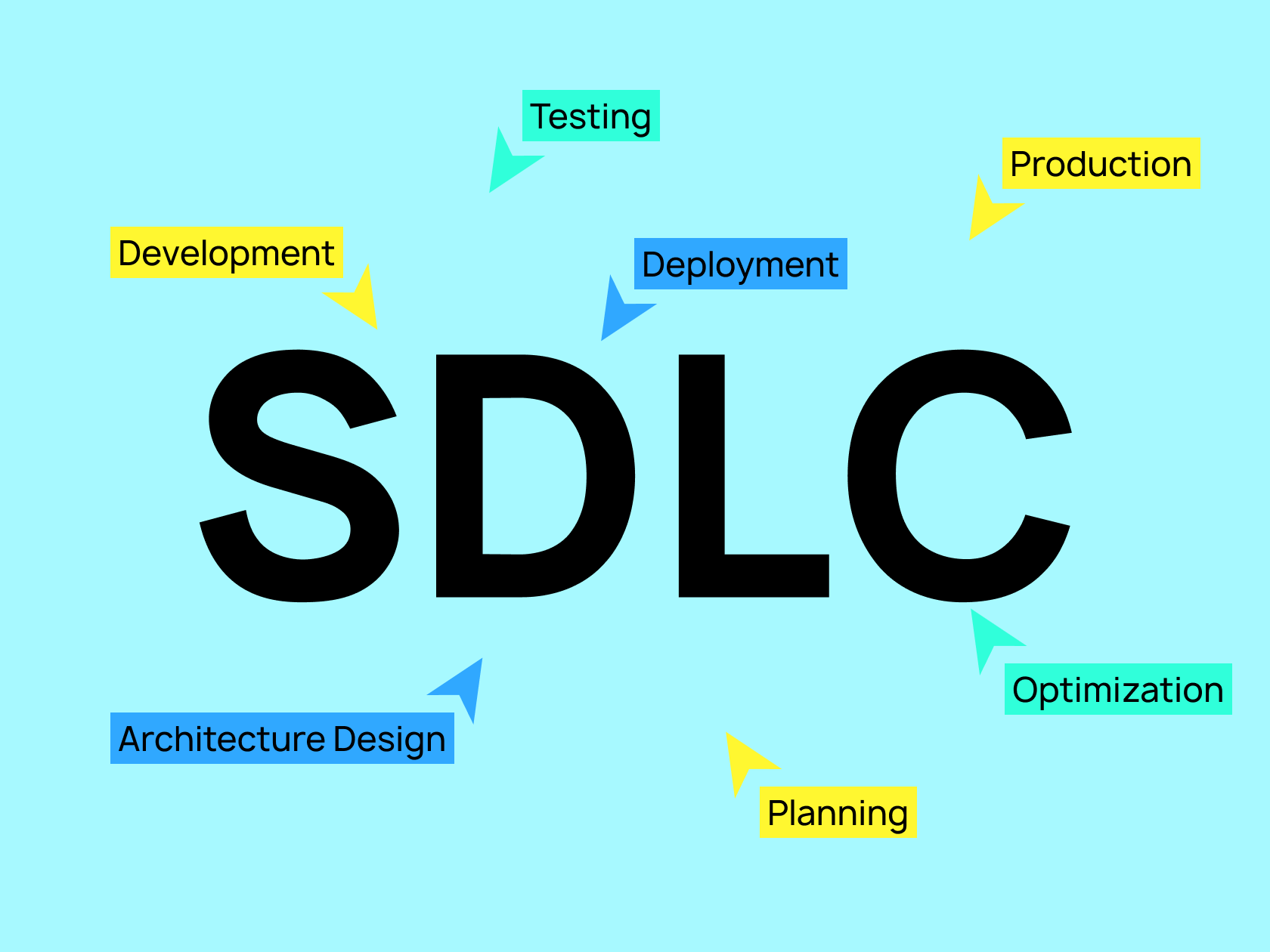
At each level of application development security, specific security procedures are represented by the secure development lifecycle (S-SDLC):
Choosing the frameworks, languages, and technologies to employ is a part of web and mobile application security best practices. It's critical to identify any unsafe coding techniques that may be relevant to the resources you've chosen.
Certain frameworks might not have the security expertise necessary for your particular environment, or certain technologies might not operate with other security solutions already in use in your company. The security of all technologies selected at this stage and those included at subsequent stages may be in danger if the entire range of ramifications are not taken into account.
During the design stage, pre-existing software development security and application architectural patterns are used. Software architects, for instance, could opt to utilize an architecture framework that permits the usage of current components and encourages standardization.
Developers can consistently address algorithmic issues with the use of tested design patterns. Rapid prototyping, often known as "spiking," is another component of this phase that aids in comparing technologies and locating the best solution to meet the needs that were earlier defined.
The following items are included in the output of the design and prototype phase of the secure mobile application development (or web app development) process:
Deployment should be as automated as feasible in line with DevOps and cloud native software approaches. Companies frequently execute this phase in a way that delivers software at the conclusion of a specific sprint as soon as it is prepared. However, this strategy shouldn't be used unless security processes and technologies can handle this pace and prevent possible security issues from being introduced into real-world settings.
For business-critical apps or those managing sensitive data, enterprises with lower DevOps maturity or those working in highly regulated sectors may need manual inspection and permission prior to release.
It's wonderful to use trustworthy and verified security procedures. After experts use these techniques, you must still verify how the program functions. To find these hidden or overlooked security weaknesses, development businesses use penetration testing.
By closing security gaps that potential hackers may exploit, this method aids in protecting the system against actual hackers.
Pentesters employ specialized methods to qualitatively evaluate apps:
The Flutter framework is one of our team's frequent choices when developing applications. Here are some of mobile app development security best practices we use when working with it.
Overall, for us, the security of the solutions we create is a continuous process. That's why we maintain and update security measures throughout the entire software development lifecycle.
At this moment, web and mobile app data security is not complete. Additionally, it entails a variety of post-release tasks that experts should handle for the duration of an application's existence. The needs and procedures for security also evolve with the times.
What is covered by an ISP, and who is in charge of overseeing it?
Application Security via Secure Development Lifecycle
Security Strategies and Security Design

App Deployment
App Security Starts from Great App Development
How WEZOM Ensures App Security with Flutter Development
Conclusion




It's free and takes 2 minutes. There are 1500+ digital agencies in the catalog that are ready to help in the implementation of your tasks. Choose and save up to 30% on time and budget!