
The Role of Custom Stickers in Modern E-Commerce Packaging
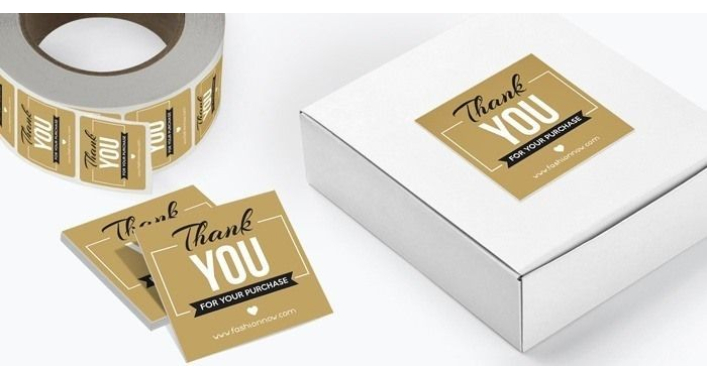
In the modern print and converting industry, the unboxing experience of online retail has transformed pressure-sensitive labels from simple informational tags into high-performance branding components. While e-commerce fulfillment relies on corrugated shippers and mailer bags, the precise execution of Custom Stickers bridges the gap between structural protection and tactile presentation.
From an engineering perspective, producing specialized e-commerce labels requires a deep understanding of face stock chemistry, pressure-sensitive adhesive formulations, prepress vector mechanics, and inline finishing processes. For print operators, brand managers, and packaging designers, selecting the correct combination of substrate, ink system, and converting technique is essential to ensure that labels withstand the physical rigors of fulfillment transit while maintaining flawless visual appeal.
Prepress File Preparation and Workflow Optimization
Before raw rolls of pressure-sensitive stock enter a high-speed press, the prepress department must optimize artwork files to ensure exact mechanical registration and target color accuracy. E-commerce packaging labels often combine intricate branding graphics with functional variable data, making prepress precision critical.
Vector Pathing, Rasterization, and Color Space Conversion
Digital artwork submitted for commercial press runs must be converted from screen-based RGB light models to press-standard CMYK (Cyan, Magenta, Yellow, Key/Black) process inks. Failing to execute precise color separation and profile mapping results in unexpected shifts in tonal values and mudded brand colors.
All raster elements must maintain a native resolution of at least 300 DPI at 100% output scale to guarantee sharp dot reproduction. Fine typography, line art, and brand iconography are best preserved as vector paths, preventing bitmapping along curved edges during high-resolution output.
Setting Up Cut Contours, Bleed Margins, and Safety Zones
Automated converting and die-cutting equipment relies on embedded vector paths within the prepress master files:
- CutContour Path: A dedicated 0.25pt vector line assigned a spot color attribute (commonly titled "CutContour") that serves as the precise trajectory for mechanical die blades or digital laser optics.
- Bleed Extension: Extending the background graphics past the cut boundary by a minimum of 0.0625 to 0.125 inches. This extra print margin prevents unprinted white edges if micro-shifts occur during high-speed mechanical web movement.
- Inner Safety Zone: A defined boundary keeping text and critical graphics at least 0.125 inches inside the cut contour to avoid clipping during post-press conversion.
Nesting, Step-and-Repeat Layouts, and RIP Processing
Prepress operators utilize Raster Image Processors (RIP) to nest multiple artwork files onto continuous web rolls or broad flatbed sheets. Step-and-repeat layouts maximize web width utilization, dramatically reducing material trim scrap. Spectrophotometers are calibrated against Pantone Matching System (PMS) target profiles to enforce strict color tolerances across high-volume runs.
Material Engineering: Substrates, Adhesives, and Release Liners
The functional performance of pressure-sensitive Custom Stickers applied to fulfillment mailers or product containers depends entirely on its three-part composite structure:
Face Stock Selection for E-Commerce Demands
- Polyvinyl Chloride (PVC) & Polyolefin Films: Highly flexible synthetic face stocks offering high tensile strength, moisture resistance, and tear resistance. Ideal for exterior shipping labels and tamper-evident container seals.
- Biaxially Oriented Polypropylene (BOPP): A crystal-clear or opaque stretched plastic film valued for its dimensional stability, chemical resistance, and high optical clarity on premium product boxes.
- Coated and Uncoated Papers: Clay-coated kraft and cast-coated paper stocks provide high contrast, sharp halftone dot structure, and excellent ink absorption for indoor e-commerce tissue seals and promotional inserts.
Pressure-Sensitive Adhesive (PSA) Chemistry
Adhesive selection dictates how securely the face stock bonds to various packaging surfaces, such as corrugated cardboard, poly mailers, or glass containers. Permanent acrylic adhesives offer high shear strength and resistance to temperature fluctuations during transit. Rubber-based adhesives provide immediate high initial tack on irregular or textured fiber surfaces.
Release Liners and Coating Technologies
The backing carrier is typically comprised of supercalendered glassine paper or bleached kraft stock coated with a microscopic silicone layer. The silicone release layer allows the printed face stock and adhesive to peel away effortlessly during high-speed automated machine application or manual fulfillment packing.
Commercial Printing Technologies for Packaging Labels
The selection of printing machinery depends directly on total run volume, variable data requirements, and color fidelity parameters.
Industrial Digital Inkjet Printing
Industrial digital presses dominate short-to-medium e-commerce label production. Using high-definition piezo inkjet printheads, UV-curable inks are jetted directly onto the web substrate and instantly solidified under LED-UV lamps. Digital technology bypasses physical plate creation entirely, enabling rapid job changeovers, cost-effective short runs, and direct variable data printing (VDP) for unique serial numbers or QR codes on Custom Stickers.
Flexographic Printing
For massive continuous web production runs, flexography remains the premier pressroom workhorse. Flexo presses utilize flexible photopolymer relief plates wrapped around rotating cylinders to meter low-viscosity inks onto moving web stock at high line speeds. Modern flexo lines often integrate inline laminating, die-cutting, and slitting into a single high-efficiency pass.
Screen Printing
When extreme tactile texture, heavy opaque white under-bases, or special metallic pigments are required, industrial screen printing forces thick ink deposits through porous mesh stencils. This process yields superior lightfastness and extreme durability against scuffing.
Protective Coatings, Overlaminates, and Surface Curing
E-commerce packages endure rigorous mechanical handling, friction against sorting belts, and exposure to environmental moisture. Protective surface finishing locks in printed ink layers before converting.
Protective Overlaminates
Applying a clear film overlaminate available in gloss, matte, or soft-touch satin provides maximum physical protection. Gloss films enhance ink saturation and color contrast, while matte films eliminate surface glare and deliver a sophisticated, non-reflective aesthetic.
Liquid UV Varnishes and Spot Finishes
Liquid varnish coatings are applied over the web and immediately pass beneath intense ultraviolet curing lamps. The UV radiation triggers photo-initiators, polymerizing the liquid varnish into a hard, chemical-resistant shell. Spot UV finishes can be applied selectively over matte backgrounds to highlight specific brand logos or graphic elements.
Industry Opinion 1: Relying on unlaminated paper face stock for e-commerce outer box seals is a critical manufacturing compromise; every transit label must utilize a protective film laminate or UV flood coat to prevent severe scuffing during conveyor sorting.
Post-Press Converting: Die-Cutting, Sheeting, and Slitting
Once printing and curing are complete, the printed continuous web transitions to the finishing line to convert raw stock into individual roll or sheet formats.
Kiss Cutting vs. Thru-Cutting Mechanics
- Kiss Cutting: The mechanical die or laser cuts cleanly through the top face stock and pressure-sensitive adhesive layer while leaving the underlying silicone release liner intact. This preserves continuous rolls or multi-label sheets for efficient peeling on fulfillment lines.
- Thru-Cutting (Die Cutting): The cutting tool shears completely through all three composite layers: face stock, adhesive, and silicone backing liner producing standalone, individually shaped unit pieces.
Converting Machinery Technologies
- Rotary Steel Rule Dies: Cylindrical dies equipped with hardened steel blades rotate against an anvil roll, stamping out cut paths at high web speeds during continuous flexographic or digital finishing runs.
- Galvo-Laser Cutting: Focused high-energy laser beams burn vector paths onto moving material webs. Laser finishing eliminates physical die fabrication costs and lead times, making it ideal for short-run custom shapes and complex geometric designs.
Industry Opinion 2: Industrial laser finishing systems will completely replace traditional rotary steel rule dies across short-run converting departments due to zero mechanical blade wear and instantaneous digital setup times.
Inspection, Slitting, and Packaging Operations
The final phase of pressroom production involves rigorous quality control and web formatting. Automated vision inspection systems scan the moving web at full line speed, detecting registration drift, pinholes, and color variations.
Slitter-rewinder machines then trim master rolls down to specified core sizes and narrow web widths compatible with automated labeling equipment or manual fulfillment dispensers. High-precision manufacturing ensures that every roll or sheet of Custom Stickers performs flawlessly on the packaging floor.
For commercial print buyers, packaging engineers, and designers seeking trade-level technical resources, substrate specifications, and professional pressroom guidance, explore IBEX Packaging.
Frequently Asked Questions
What is the technical difference between paper and film face stocks for Custom Stickers?
Paper face stock is made of natural cellulose fibers clay-coated for high ink holdout, making it cost-effective for dry indoor shipping environments. Film face stocks (such as BOPP or vinyl) are extruded polymers that offer high tear resistance, moisture proofing, and chemical durability during transit.
Why must artwork files be converted to CMYK before sending them to press?
RGB is an additive color space designed for digital screens, whereas commercial printing presses utilize subtractive CMYK inks. Converting artwork to CMYK during prepress ensures printed colors match physical density standards on press.
What function does a CutContour path perform in prepress files?
A CutContour path is a dedicated spot-color vector line that instructs automated laser optics or rotary steel dies where to cut the substrate during post-press converting.
How does kiss cutting differ from thru-cutting?
Kiss cutting slices through only the top face stock and adhesive layer, leaving the silicone backing sheet intact for roll or sheet delivery. Thru-cutting cuts entirely through all layers, producing standalone individual pieces.
What vector file formats are recommended for commercial label manufacturing?
Vector formats such as Adobe Illustrator (.AI), Encapsulated PostScript (.EPS), or vector-based PDFs are preferred because they scale without raster pixelation and isolate cut contour vectors from graphic print layers.
Optimize Your Packaging Workflow with Technical Printing Expertise
Looking to engineer high-impact Custom Stickers, pressure-sensitive seals, or durable retail labels for your fulfillment operations? The pressroom specialists at IBEX Packaging offer complete prepress support, premium substrate selection, and high-precision laser converting tailored to your exact manufacturing requirements. Contact our engineering team today to request a trade quote and elevate your print quality!




It's free and takes 2 minutes. There are 1500+ digital agencies in the catalog that are ready to help in the implementation of your tasks. Choose and save up to 30% on time and budget!