
CMS for an Online Store: What to Consider Before Launch
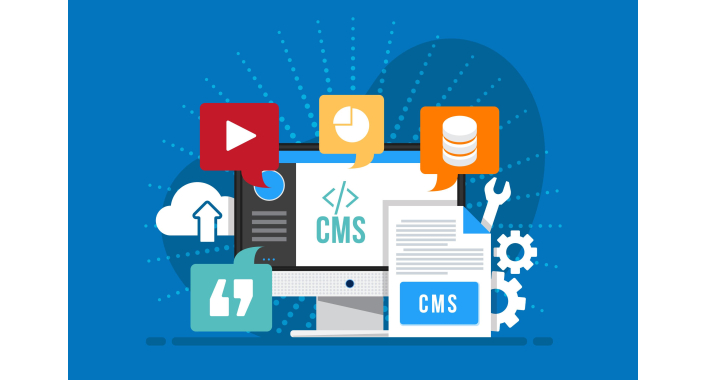
Choosing a CMS for an online store isn’t just about “which admin panel looks nicer.” The platform determines how the product catalog will function, whether the site can handle an increase in products, and how easy it will be to add new items, process orders, and set up payment options.
At the start, everything may seem simple: you have 100 products, you need a shopping cart, shipping, a few pages, and a “Buy” button. But six months later, you have 2,000 products, and you’re adding filters, promotions, CRM, inventory tracking, multiple languages, and promo codes. And suddenly, the CMS that “seemed to work” starts getting in the way.
That’s why it’s better to choose a platform not just for the launch, but also for the store’s day-to-day operations after it goes live.
First, you need to understand the size of the store
A small store with 30 products and a large catalog with thousands of items require different approaches. It’s one thing to sell a few handmade items. It’s quite another to sell electronics, clothing, auto parts, or cosmetics—with filters, variations, backorders, and regular updates.
The CMS must be suited to the task. It shouldn’t be too limited. But it also shouldn’t turn a simple store into a complex system that’s difficult to maintain.
The admin panel should be user-friendly for day-to-day work
An online store is constantly changing after it goes live. Products are added, prices are updated, promotions are launched, inventory levels change, and descriptions are edited. If every action in the admin panel feels like a quest, the team will quickly start making mistakes.
A good CMS makes it easy to:
- add and edit products;
- change prices;
- manage categories;
- update order statuses;
- work with photos;
- create discounts and promo codes.
It's best to plan integrations right away
Payment processing, shipping, CRM, inventory management, email newsletters, analytics—it’s best to plan for all of these before development begins. You don’t have to set everything up on day one, but the CMS should allow you to do so without having to completely rebuild the site.
Most often, an online store needs integrations with payment services, delivery services, a CRM system, marketplaces, or inventory management. The specific set of integrations will vary depending on the business.
The main thing is not to choose a platform just because “it’s quick to launch.” Fast is good. But if, a month later, you can’t properly integrate your accounting system, that speed won’t seem so great anymore.
The SEO capabilities of a CMS are also important
An online store without SEO quickly becomes dependent solely on advertising. Therefore, the CMS must provide adequate capabilities for promotion: editing titles and descriptions, clear URLs, category descriptions, microdata, sitemaps, and handling duplicate pages and filters.
You need to pay particular attention to filters. They can generate hundreds of technical pages that don’t need to be indexed. If this isn’t controlled, Google will see a pile of junk URLs instead of a normal catalog.
Speed and safety can't be put off until later
The store should load quickly, especially on a phone. Heavy images, unnecessary modules, poor hosting, and an overloaded theme can significantly hurt sales. Customers won’t wait for a product page to load.
Security is also critical. The site contains customers’ personal data, orders, payments, and access to the admin panel. That’s why you need updates, SSL, backups, form protection, and proper user permissions.
Which CMS to Choose
There are various options: WooCommerce, OpenCart, Shopify, custom development, and other solutions. Each option has its own merits. Some offer more freedom, some are easier to manage, some allow for a faster launch, and some are easier to scale.
The right question isn’t “which CMS is the best,” but “which CMS is right for this specific store.” It depends on the product catalog, budget, team, integrations, SEO, and growth plans.
You shouldn’t choose a CMS for an online store based on a pretty demo, but rather on the business’s actual needs. The product catalog, filters, admin panel, payment, shipping, SEO, speed, and security—all of these factors affect how the store operates after launch.
A good platform doesn’t get in the way of sales. It helps you quickly update products, process orders, connect the necessary services, and develop the site without constantly hearing “that’s impossible.” That’s exactly what you should be looking for before you launch.




It's free and takes 2 minutes. There are 1500+ digital agencies in the catalog that are ready to help in the implementation of your tasks. Choose and save up to 30% on time and budget!