
Is it PPC? or what is ppc advertising
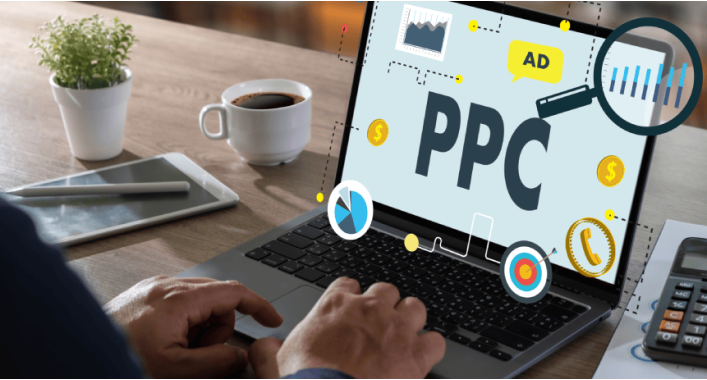
PPC (Pay-Per-Click) advertising is an effective tool for promoting products and services in the online environment. This advertising method allows advertisers to place ads online and only pay for each click on their ad. In this article, we will look at the main aspects of PPC advertising and the benefits of using it.
PPC Advertising Basics
The basic idea of PPC advertising is that the advertiser only pays when users click on his ad. The ad can be placed on various platforms, including search engines, social networks, websites and others. The key is choosing keywords that are relevant to your business and setting up a budget and auction for your ads to run.
How does PPC work?
Pay Per Click (PPC) is an online advertising model in which the advertiser pays for each click on their ad. This process can be seen in several steps:
- Creating an advertising object: The advertiser creates an advertisement that will be displayed online. This may be text, graphics or video depending on the platform on which the advertisement occurs.
- Keyword Selection: The advertiser selects keywords that are relevant to his product, service or topic. Keywords play an important role in how ads are shown to users.
- Ad placement: The ad is placed on the platform where PPC advertising occurs. This could be a search engine, social network, website or other resource.
- Keyword Auction: When a user searches for something based on the selected keywords, a keyword auction occurs. Bidders (advertisers) compete for the opportunity to display their ads. The one who is willing to pay more per click wins.
- Ad serving: The ad is displayed to users who have searched the selected keywords or are in a specific audience segment of the audience.
- Clicks and payment: When a user clicks on an ad, the advertiser pays for that click. The cost per click may vary depending on competition for keywords and other factors.
- Results Analysis: The advertiser examines the results of their PPC campaign, including the number of clicks, conversions and costs. This helps determine the effectiveness of the advertising campaign and make adjustments to achieve better results.
This is a general overview of how Pay Per Click advertising works. It is important to note that the effectiveness of PPC advertising depends on the correct choice of keywords, campaign settings and analysis of the results for further improvements.
Benefits of PPC advertising
1. Targeting
One of the main advantages of PPC advertising is precise targeting. Advertisers can choose who to show their ads to based on various criteria, such as region, age, interests and others. This allows you to truly target your audience and attract potential clients.
2. Efficiency
PPC advertising allows you to measure results in great detail. You can track clicks, conversions, costs, and other metrics that help you measure the effectiveness of your advertising campaign. This allows you to make adjustments to your campaign on the fly and maximize results.
3. Budget control
PPC advertising gives advertisers complete control over their budget. You can set daily or monthly spending limits to avoid unexpected expenses.
4. Speed of results
Once you launch a PPC campaign, results can be visible almost instantly. This is especially useful for new products or services that need to be promoted quickly.
Disadvantages of PPC advertising to consider:
- High Costs: PPC advertising can be expensive, especially if competition for keywords is high. Advertisers pay per click, which can significantly increase advertising costs, especially for businesses with limited budgets.
- Depending on the keyword auction: Competition for keywords in the auction may increase, resulting in higher click prices. This can make it difficult for business owners to maintain appropriate expenses.
- Low conversion: Not all clicks convert into conversions or sales. Sometimes users click on ads but do not take the desired action on the website, which can reduce the effectiveness of the advertising campaign.
- Optimization requirements: PPC campaigns require constant optimization and maintenance. Advertisers must track results, analyze effectiveness, and make adjustments to achieve the best results.
- Limited Visibility: PPC ads are only displayed when the advertiser pays for the clicks. Once the budget is completed, advertising stops, which can result in limited visibility at important times.
- Fraud and Bots: Some scammers may generate artificial traffic to ads, resulting in unqualified click fraud costs.
Given these downsides, it's important to carefully consider your PPC advertising strategy and be prepared to manage costs and optimize your campaign for better results.
What's the difference between PPC and CPC?
PPC (Pay-Per-Click) and CPC (Cost-Per-Click) are two different metrics used in online advertising. Here is the main difference between them:
PPC (Pay-Per-Click):
PPC stands for Pay Per Click and refers to an advertising model where the advertiser pays for each actual click on their advertisement. This means that the cost of advertising depends on the number of clicks that users make on the ad.
CPC (Cost-Per-Click):
CPC also stands for Cost per Click and is used to measure the cost of each individual click on an ad. This is a numerical metric that indicates how much each ad click costs and does not necessarily indicate the advertising model.
So, the main difference is that PPC is an advertising model in which the advertiser pays for each click, whereas CPC is the cost of that click itself. That is, CPC can be used as a metric to determine the cost of each click within a PPC campaign.
Major PPC Advertising Platforms
Among the most popular platforms for PPC advertising are Google Ads and Facebook Ads. Google Ads allows you to place ads in Google search results, while Facebook Ads allows you to display ads on the Facebook social network and other platforms owned by Facebook.
Conclusion
PPC advertising is a powerful tool for targeted promotion of products and services on the Internet. It allows advertisers to effectively target audiences, control budgets, and get fast, accurate results. If you want to take your business to the next level, consider using PPC advertising to achieve your marketing goals.




It's free and takes 2 minutes. There are 1500+ digital agencies in the catalog that are ready to help in the implementation of your tasks. Choose and save up to 30% on time and budget!