
Digital marketing is: or what is digital marketing and advantages
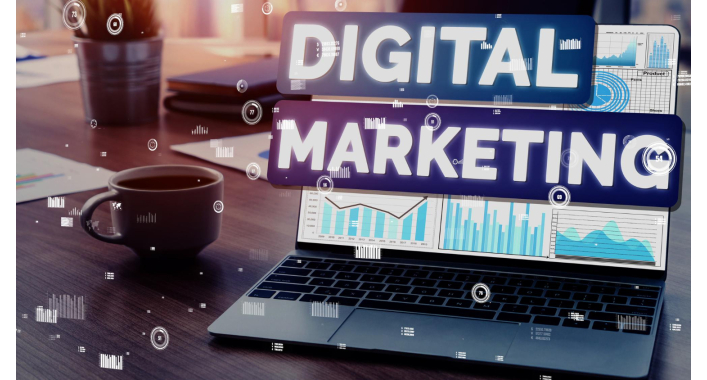
Digital marketing is a field of marketing that uses digital technologies to promote products and services on the Internet. It combines various tools and techniques that allow companies to reach their target audience more effectively than traditional marketing approaches. With the development of Internet technologies and the increase in the number of network users, digital marketing is becoming an increasingly important element in the business development strategy.
Main components of digital marketing:
- SEO (search engine optimization): Improves website visibility in search engines to attract organic traffic. Includes optimization of content, site structure, external links and other factors.
- PPC (contextual advertising): Advertising that displayed to users based on their search queries, sites visited, or interests. The most famous platforms for contextual advertising are Google Ads and Bing Ads.
- SMM (social media marketing): Use social networks as a tool for brand promotion, attracting traffic to the site and communication with the audience.
- Email marketing: Sending personalized emails to the audience to inform them about new products, promotions, useful content, etc.
- Content Marketing: Creating and distributing valuable content to attract, engage, and retain audiences. Content can be in the form of blogs, videos, e-books, infographics, etc.
-
Analytics: Collection and analysis of data on user behavior on a website or social networks to optimize marketing strategies.
Advantages of digital marketing:
- Scalability: Easy to adapt strategies to suit different business sizes and budgets.
- Target audience:The ability to precisely target allows you to reach exactly the audience that is most interested in the product or service.
- Measurable:The effectiveness of campaigns can be accurately measured using various analytics tools.
- Interactivity: Engaging users through comments, reviews, social networks creates a sense of community and brand loyalty.
-
Flexibility:Quickly make changes to campaigns in response to changing trends or audience behavior.
What is the difference between Digital Marketing and Internet Marketing?
The difference between Digital Marketing and Internet Marketing lies in their scope and the communication channels used. Although these terms are often used interchangeably, there are certain differences between them:
Digital marketing
Digital marketing includes all aspects of marketing that use electronic devices or the Internet to interact with potential customers. It's not just about online promotion via the internet; Digital marketing also includes channels that do not necessarily require the use of the Internet. For example, these could be mobile applications, SMS marketing, digital signage, television, radio and other electronic communications.
Internet marketing
Internet marketing is a subset of Digital Marketing and focuses exclusively on marketing efforts that use the Internet to achieve marketing goals. This includes tools such as SEO (search engine optimization), content marketing, email marketing, social media, contextual advertising, affiliate marketing and other online channels. The main goal of Internet marketing is to attract visitors to a website or motivate them to take online actions, such as purchasing goods or services.
Main differences
- Reach: Digital marketing has a wider reach, including Internet and non-Internet channels, while Internet marketing focuses exclusively on online channels.
- Communication channels: Internet marketing uses websites, social networks, email and other Internet channels, while Digital marketing also includes mobile applications, SMS, digital television and radio.
- Technology: Digital marketing can include the latest technologies such as artificial intelligence, virtual and augmented reality, which can be used not only on the Internet.
Although Internet marketing is an important component of the Digital market
Although Internet marketing is an important part of Digital Marketing, it is important to understand that Digital Marketing has a broader scope, including all forms of digital communication, which provides more opportunities to interact with the audience. The choice between the two approaches depends on the specific business goals and available resources.
What does a Digital Marketer do?
A digital marketer is a specialist who promotes a brand, goods or services on the Internet using various digital channels. His work includes strategic planning, development and execution of marketing campaigns covering a wide range of digital marketing tools and techniques. Here are the main tasks that a digital marketer performs:
1. Development of a digital marketing strategy
- Determining the target audience, goals and objectives of marketing campaigns
- Selecting promotion channels (social networks, search engines, email, etc.).
- Budget planning and resource allocation
2. Website Management and SEO
- Optimizing a website for search engines (SEO) to improve its visibility.
- Analysis of user behavior on the site and its conversion rate
- Content update and blog management
3. Social Media Management (SMM)
- Development of a content plan and maintenance of corporate pages on social networks.
- Interaction with the audience, responding to comments and messages.
- Organization and implementation of advertising campaigns on social networks.
4. Email Marketing
- Development of an email communications strategy.
- Creation and distribution of news letters, promotions, newsletters.
- Analysis of the effectiveness of email campaigns
5. Online and PPC Advertising
- Planning and management of contextual advertising in Google Ads, advertising on social networks.
- Optimizing advertising campaigns to increase their effectiveness.
- Analysis of return on investment (ROI) and other campaign performance indicators.
6. Analytics and reporting
- Collection and analysis of data on the effectiveness of marketing campaigns
- Using web analytics tools to track user behavior
- Preparation of reports and recommendations for optimizing marketing strategies.
The job of a digital marketer requires deep knowledge of digital marketing, the ability to analyze data and quickly adapt to changes in technology and consumer behavior. It is a constant process of learning and improvement aimed at achieving maximum effectiveness of marketing campaigns in the digital space.
Output:
Digital marketing is a key element of the modern business landscape, providing companies with powerful tools to achieve their marketing goals. With the right approach and strategy, digital marketing can significantly increase brand visibility, attract new customers and drive sales growth. It is important to constantly improve your skills and knowledge in this area in order to remain competitive in the market.




It's free and takes 2 minutes. There are 1500+ digital agencies in the catalog that are ready to help in the implementation of your tasks. Choose and save up to 30% on time and budget!