
How Small Brands Grow Facebook Pages Without Ads
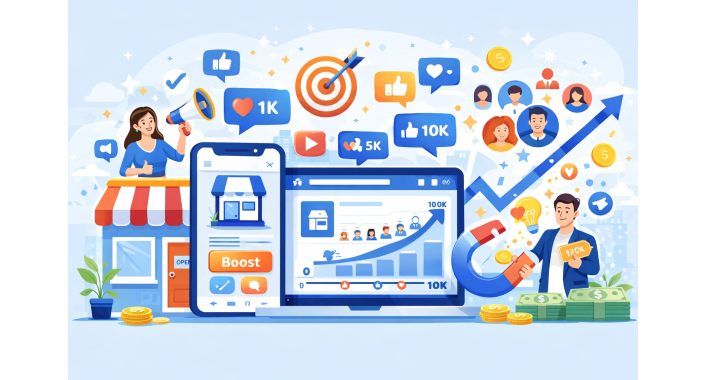
For small brands operating on tight budgets, Facebook presents a challenging paradox. Meta’s business model prioritizes paid advertising, leaving bootstrapped companies wondering if meaningful Facebook growth is even possible without ad spend.
The answer is yes, but it requires a strategic approach that works with Facebook’s algorithm rather than against it. This guide explores proven organic strategies that small businesses can implement to grow engaged Facebook audiences without relying on advertising budgets.
Why Organic Facebook Growth Matters for Small Brands
The Reality of Facebook’s Algorithm for Business Pages
Today’s News Feed prioritizes “meaningful interactions”—content that sparks conversations, shares, and genuine engagement between real people. This shift actually benefits small brands willing to invest in community building rather than broadcasting promotional messages.
For small businesses, this means consistent, valuable content can outperform big-budget competitors who treat Facebook as a billboard rather than a community platform.
Cost Implications: Ads vs. Organic Strategy
Ads:
- Facebook ads: from $1.50 to $3.50 per click
- Small brand: 10,000 engaged followers = $5,000-$15,000
Organic strategies:
- ontent calendar
- Engagement routine
- Creating and managing conten
- Community-build
- Costs nothing beyond the hours spent
For resource-constrained teams, this makes organic growth not just preferable but necessary.
Long-Term Value of an Engaged Community
Followers acquired through organic methods demonstrate 3-5x higher engagement rates compared to audiences built primarily through paid advertising. Why? Because they’ve chosen to follow your page based on value they’ve already received—helpful content, entertaining posts, or authentic connection with your brand story.
Over time, a thousand genuinely engaged followers delivers more business value than ten thousand disengaged ones who clicked an ad but have no real connection to your brand.
Understanding How Facebook Page Followers Work
The Follower vs. Like Distinction
Facebook’s terminology can confuse page managers, but the distinction between “followers” and “likes” is crucial for small brands developing growth strategies. When someone “likes” your page, they’re acknowledging it exists and expressing general interest. When they “follow” your page, they’re actively choosing to see your content in their News Feed.
For organic growth, follower count matters more than like count because followers represent your actual reachable audience.
How Facebook’s Algorithm Prioritizes Content Distribution
To truly understand how Facebook page followers work, you need to grasp the relationship between content quality and algorithmic distribution. When you publish a post, Facebook initially shows it to a small percentage of your followers—typically 5-10% depending on your page’s historical engagement rate. This test group’s response determines whether your content gets distributed more widely.
The algorithm tracks several key signals during this initial distribution phase:
Engagement velocity: How quickly people interact with your post in the first 30-90 minutes after publication. Rapid engagement signals compelling content that deserves wider distribution.
Engagement depth: Comments and shares carry significantly more algorithmic weight than reactions or clicks. A post with 10 comments outperforms a post with 50 likes because comments indicate meaningful interaction.
Completion signals: For video content, watch time and completion rate determine distribution. For link posts, click-through rate and time spent on the destination page inform the algorithm about content quality.
Negative feedback: If users hide your post, report it as spam, or unfollow your page after seeing it, the algorithm dramatically reduces distribution and penalizes your page’s future reach.
This initial testing phase is why your most engaged followers are so valuable—they’re the ones who determine whether your content gets shown to your broader audience.
Why Follow Quality Matters More Than Quantity
Many small brands focus obsessively on follower count, celebrating each milestone while ignoring engagement metrics.
Facebook rewards pages that create content their followers actually want to see.
For small brands, this means quality-focused growth strategies consistently outperform quantity-focused approaches.
Proven Organic Growth Strategies for Small Brands
Content Strategy: What Actually Gets Shared
Small brands often assume they need professional production quality to compete on
Facebook. In reality, authentic, helpful content consistently outperforms polished but generic posts. The key is understanding what motivates people to engage with and share content from business pages:
- Creates emotional connection: Behind-the-scenes content humanizes your brand and capitalizes on small businesses’ authenticity advantage.
- User-generated content serves dual purposes: it provides social proof while giving your customers visibility they appreciate.
- Native video: uploaded directly to Facebook rather than linked from YouTube—receives the highest organic reach.
- Carousel posts: they encourage interaction as users swipe through images.
Posting Frequency and Timing Optimization
One of the most common mistakes small brands make is posting too infrequently or too often. Posting once per month signals to the algorithm that your page isn’t actively managed, reducing your reach when you do post. Posting multiple times per day can overwhelm your audience and lead to reduced engagement per post.
For most small brands, a sustainable cadence is 3-5 posts per week. Consistency matters more than volume—three posts every week predictably outperforms ten posts one week followed by none the next three weeks.
Timing optimization requires testing rather than following generic “best times to post” advice. Your specific audience’s behavior matters more than industry averages. Use Facebook Insights to identify when your followers are most active online, then test posting times within those windows.
Content batching is a practical strategy for resource-constrained teams. Dedicate 2-3 hours once per week to creating the next week’s content. Write captions, prepare images or videos, and schedule posts in advance using Facebook’s native scheduling tool.
The 80/20 Rule for Value vs. Promotion
The single most important principle for organic Facebook growth is the 80/20 rule: 80% of your content should provide value without asking for anything in return, while only 20% should be promotional.
Value-first content comes in many forms:
- Educational posts that teach something useful related to your industry
- Entertaining content that makes people smile or laugh
- Inspirational stories that motivate or encourage your audience
- Community-focused posts that celebrate local events or causes
- Helpful tips that solve common problems your customers face
This ratio builds trust and engagement over time. When your audience knows that most of your posts will help them in some way, they’re more likely to engage when you do ask for business. They’ve received value from you consistently, so they’re predisposed to support you when you promote.
Cross-Promotion Tactics That Work
Small brands can leverage other marketing channels to build their Facebook audience without spending money on ads:
- Calls-to-action in your Instagram content inviting followers to join your Facebook community.
- Include Facebook page links in email signatures, newsletters, and transactional emails.
- Website should actively promote your Facebook presence.
- Employee and founder networks provide organic amplification that costs nothing.
Engagement Frameworks That Build Communities
The Response Timing Advantage
When someone comments on your post, the speed of your response carries algorithmic weight. Facebook interprets quick responses as a signal that your page is actively managed and that conversations are happening—both factors that increase content distribution.
Try to respond within the first hour whenever possible, especially during the critical first 90 minutes after posting when the algorithm is actively evaluating your content’s engagement velocity.
Avoid generic “Thanks!” replies that feel automated. Instead, continue the conversation: ask follow-up questions, provide additional helpful information, or acknowledge the specific point the commenter made. Each substantive reply counts as additional engagement, further boosting your post’s algorithmic performance.
Creating Conversation-Worthy Posts
Certain post formats naturally generate higher comment rates than others. Small brands can strategically incorporate these formats into their content calendars to boost engagement and algorithmic visibility.
Fill-in-the-blank posts invite participation by making commenting easy and fun. “My favorite coffee order is ______” from a local café or “The best business advice I ever received was ______” from a consulting firm gives followers a clear, simple way to engage. These posts often generate dozens of comments even from small follower bases.
This-or-that decision posts tap into people’s love of sharing opinions. “Coffee or tea?”, “Morning person or night owl?”, or “Prefer email or phone calls for business communication?” These binary choices make commenting effortless while revealing interesting patterns about your community.
Behind-the-scenes polls give followers input into business decisions while making them feel invested in your brand. “We’re designing new packaging—which color combination do you prefer?” or “Help us choose our next product feature” transforms passive followers into active community members who have ownership in your brand’s direction.
Customer spotlight features serve multiple purposes: they recognize loyal customers, provide social proof for potential customers, and encourage the featured customer to share the post with their network. “Customer of the Month” or “Project Showcase” posts create content that people actively want to share.
Facebook Groups as Page Growth Engines
While your Facebook page serves as your public presence, a companion Facebook group creates a owned community space that can accelerate page growth. Groups benefit from higher organic reach than pages because Facebook’s algorithm treats group content as peer-to-peer interaction rather than business-to-consumer broadcasting.
Create a group focused on a topic related to your business rather than your business itself.
Provide group-exclusive content that gives members a reason to participate actively. This could be early access to new products, special discounts, live Q&A sessions, or expert advice not available on your public page. The exclusivity makes group membership valuable.
Link your group to your page strategically. Pin a post at the top of your page inviting engaged followers to join the group for deeper community connection. Conversely, occasionally share valuable page content in the group to remind members that your page exists and is worth following.
Leveraging Partnerships and Collaborations
Micro-Influencer Partnerships
Small brands often assume influencer marketing requires big budgets to pay celebrities or large accounts. In reality, micro-influencers (accounts with 1,000-10,000 followers in specific niches) often deliver better results and are much more accessible to small businesses.
Identify micro-influencers whose audiences align with your target market. The key is relevance—a highly engaged niche audience is worth more than a large but unfocused one.
Propose value exchanges rather than paid partnerships. Offer free products, exclusive experiences, or services in exchange for authentic content featuring your brand. Many micro-influencers are building their own audiences and appreciate collaborations that provide them with content and value.
Make collaboration easy by providing clear guidelines about what you’re hoping for while giving creators freedom to present your brand authentically to their audience. Overly scripted partnerships feel like ads and generate little engagement. Authentic enthusiasm from a trusted voice drives real results.
Local Business Cross-Promotion
Small businesses in non-competing industries can build audiences together through strategic partnerships.
Create collaborative content that provides value to both audiences. Host joint Facebook Live sessions, create co-branded guides or checklists, or run combined giveaways that require following both pages. Each business gets access to the other’s engaged community.
Local business associations and chambers of commerce often have Facebook groups or pages with engaged local audiences. Active participation in these communities—answering questions, providing expertise, supporting other businesses—builds visibility and credibility that translates into page follows from qualified local prospects.
Customer Advocacy Programs
Your happiest customers represent your most authentic marketing channel. People trust recommendations from real customers far more than branded content. Small brands can systematize customer advocacy to drive consistent Facebook growth.
Create simple systems that make it easy for satisfied customers to support your Facebook presence. After a positive transaction or experience, send a follow-up message that includes a direct link to your Facebook page with a request: “We’d love to stay connected with you on Facebook where we share tips, exclusive offers, and community updates.”
Customer referral incentives can include Facebook components. Offer a small discount or bonus when existing customers refer friends who follow your page. This grows your audience with qualified leads who come through trusted recommendations.
Showcase customer success stories and testimonials on your Facebook page with permission. Tag customers when appropriate (always asking first) so the post appears in their activity and reaches their networks. Many customers enthusiastically share posts that feature them, dramatically expanding your organic reach.
Measuring Success: Metrics That Matter
Beyond Follower Count: Engagement Rate Tracking
Follower growth feels good psychologically, but engagement rate determines your actual Facebook success. Engagement rate is calculated by dividing total engagement (reactions, comments, shares) by total reach, then multiplying by 100 to get a percentage.
For small business pages, a healthy engagement rate typically falls between 1-5%.
Track engagement rate weekly to identify trends. If you notice declining engagement, audit your recent content to identify what changed.
Content Performance Analysis
Facebook Insights provides robust analytics even for small pages. Review your data monthly to identify patterns and opportunities for optimization.
- Reach metrics show how many unique people saw your content.
- Engagement metrics break down exactly how people interact with your content.
- Post performance comparison reveals which specific posts drove exceptional results.
- Audience growth patterns help you understand when your page is gaining or losing followers.
Conversion Attribution from Organic Social
While engagement metrics measure Facebook performance, small brands ultimately need to connect social media activity to business outcomes. This is challenging with organic social but not impossible.
Use trackable links in your Facebook posts when promoting products, services, or content. UTM parameters let you see in Google Analytics exactly how much traffic Facebook drives to your website and what those visitors do once they arrive.
Create Facebook-exclusive offers with unique codes so you can attribute conversions directly to your Facebook presence.
Track qualitative indicators alongside quantitative metrics. Are customer service inquiries coming through Facebook Messenger? Do customers mention seeing you on Facebook when they visit your store or website? These signals indicate that your Facebook presence influences business outcomes even when direct attribution is difficult.
Common Mistakes Small Brands Make
Even with the best intentions, small brands often undermine their organic growth through avoidable mistakes:
- Posting inconsistently creates an algorithmic penalty that’s difficult to overcome.
- Over-promoting without value delivery is the fastest way to train your audience to ignore your posts.
- Ignoring comments and messages signals to both the algorithm and your audience that you’re not actually interested in community building.
- Using generic stock imagery instead of authentic content makes your brand forgettable and indistinguishable from competitors.
- Neglecting Facebook Stories and Reels means missing two formats that currently receive algorithmic priority.
- Not analyzing what’s working leaves you creating content in the dark.
Conclusion
Growing a Facebook page without advertising budget is entirely achievable for small brands willing to invest time in strategic, consistent community building.
The brands that succeed on Facebook today are those that view the platform as a community space rather than an advertising channel. When you consistently show up, provide value, and engage authentically with the people who follow you, algorithmic distribution and business growth follow naturally.




It's free and takes 2 minutes. There are 1500+ digital agencies in the catalog that are ready to help in the implementation of your tasks. Choose and save up to 30% on time and budget!