
Website promotion for a manufacturer of ceramic tiles and porcelain tiles
Case study overview
The project is a long-standing manufacturer product catalog that needed to compete in search results against both specialized catalogs and full-fledged online stores.
Our focus was on strengthening the commercial aspect and restructuring the site to target relevant search queries without turning it into a traditional e-commerce platform.
Initial data
- Domain age: 19 years
- Target region: Ukraine
- Site type: manufacturer product catalog (B2B/B2C)
Project objectives
- Conduct a comprehensive technical and content audit, as well as competitor analysis.
- Develop a step-by-step strategy with an emphasis on commercial ranking factors.
- Optimize the website for relevant search clusters and expand semantic coverage.
- Boost priority queries from the TOP-10 to the TOP-3.
- Improve the conversion rate of the catalog and product pages.
- Develop a backlink profile through high-quality PR posts and media publications.
Key Challenges
A key feature of the niche is mixed competitive search results:
- part of the top results consists of manufacturer catalogs and large suppliers without shopping carts or online purchasing;
- the other part consists of online stores with advanced filters, shopping carts, and a large number of pages.
To compete with both types of competitors, we:
- enhanced commercial elements on the catalog and product pages;
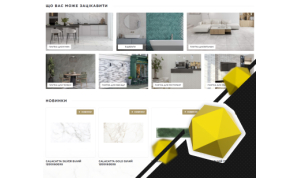
- implemented two catalog layouts: as collections and as individual products—bringing the pages as close as possible to the format of a classic store;
- created showroom pages for regional targeting and to strengthen our offline presence in search results.
What We Did
Semantics
- Collected and structured basic niche semantics, supplemented with queries for which the site already had partial rankings.
- Formed clusters for commercial keywords for catalog pages, as well as relevance maps for filters.
- Created filtering pages based on objective and subjective parameters to cover the maximum number of commercial queries.
Content
The owners did not want to place “SEO-optimized blocks” of text on categories and filters, so we opted for “invisible content” for the user:
- we carefully crafted meta tags, headings, and snippets;
- we integrated keywords into product names and image attributes;
- optimized microcontent and service blocks that are read by search engines.
This approach allowed us to distribute keywords correctly across the page without overloading it with text and to maintain a clean, commercial look.
Structure Expansion (SEO Filter)
- Implemented an “SEO filter”: filter pages became full-fledged landing pages for relevant query groups.
- Covered high-frequency and medium-frequency clusters without interfering with the site’s physical hierarchy.
- Ensured internal linking between categories, collections, products, and filter pages.
Optimization of commercial factors
- Added elements that bring the catalog closer to an online store: product and collection displays, price blocks, availability, and CTAs.
- Created regional showroom pages to boost local visibility and trust.
Backlink profile
Focus on high-quality PR platforms instead of mass link building:
- publications in media with targeted traffic and a real audience;
- emphasis on reputation-building and potential conversions.
Plan for the next stage (after launching a full-fledged shopping cart): add classic technical backlink building targeting metrics that influence search rankings.
Results (8 months of work)
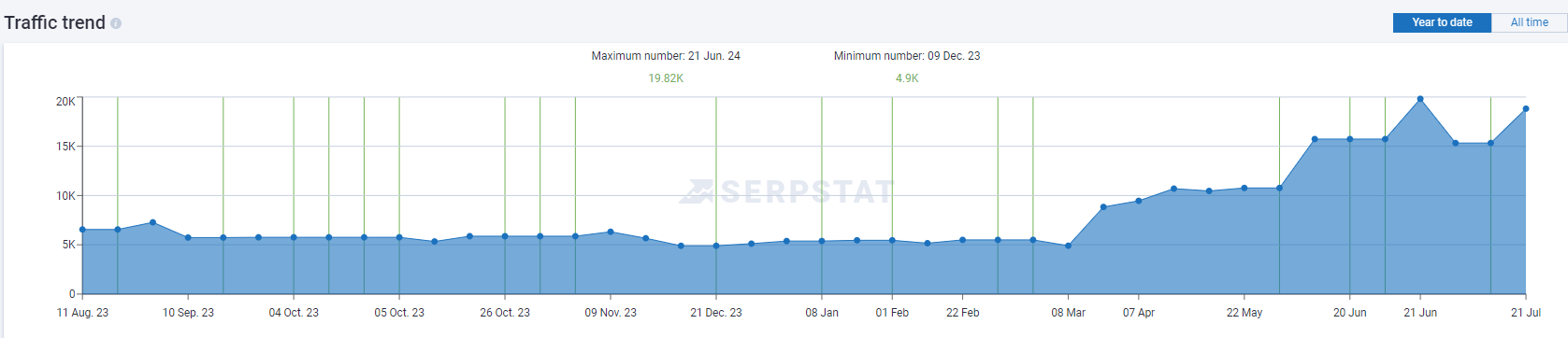
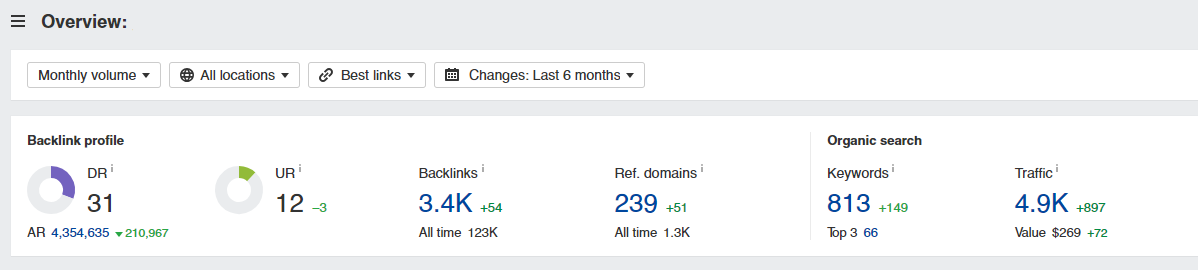
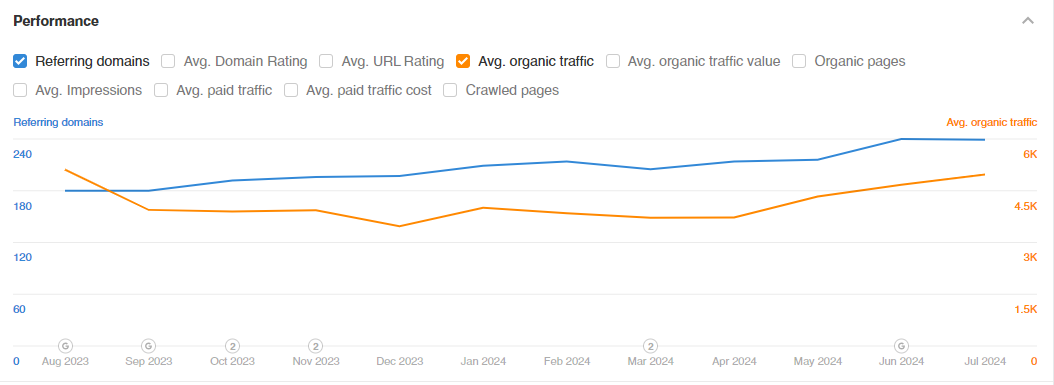
- Organic traffic: from 5,381 to 18,815 (+350%).
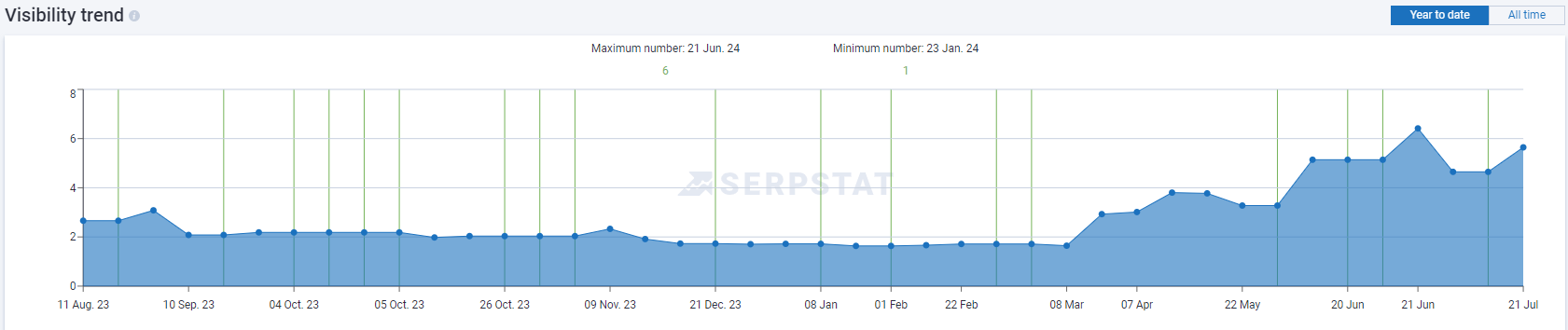
- Visibility according to Serpstat: from 1.72 to 5.64 (+328%).
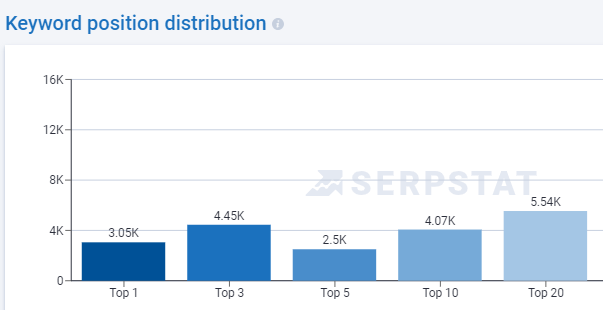
- Priority clusters rose from the TOP-10 to the TOP-3; broad semantics are indexed better thanks to SEO filters.
- The site consistently competes in mixed search results against both manufacturer catalogs and classic e-commerce sites.
Conclusions
A catalog can effectively compete with online stores if:
- SEO filters are properly configured as landing pages;
- commercial factors are strengthened and semantics are structured;
- content is integrated in a way that is “invisible” to the user but readable by search engines;
- the backlink profile grows thanks to high-quality PR placements.
The balance between structural refinements and well-thought-out semantics has become the key to increasing traffic and visibility without radically changing the site’s type.
It's free and takes 2 minutes. There are 1500+ digital agencies in the catalog that are ready to help in the implementation of your tasks. Choose and save up to 30% on time and budget!



Case study overview
The project is a long-standing manufacturer product catalog that needed to compete in search results against both specialized catalogs and full-fledged online stores.
Our focus was on strengthening the commercial aspect and restructuring the site to target relevant search queries without turning it into a traditional e-commerce platform.
Initial data
- Domain age: 19 years
- Target region: Ukraine
- Site type: manufacturer product catalog (B2B/B2C)
Project objectives
- Conduct a comprehensive technical and content audit, as well as competitor analysis.
- Develop a step-by-step strategy with an emphasis on commercial ranking factors.
- Optimize the website for relevant search clusters and expand semantic coverage.
- Boost priority queries from the TOP-10 to the TOP-3.
- Improve the conversion rate of the catalog and product pages.
- Develop a backlink profile through high-quality PR posts and media publications.
Key Challenges
A key feature of the niche is mixed competitive search results:
- part of the top results consists of manufacturer catalogs and large suppliers without shopping carts or online purchasing;
- the other part consists of online stores with advanced filters, shopping carts, and a large number of pages.
To compete with both types of competitors, we:
- enhanced commercial elements on the catalog and product pages;
- implemented two catalog layouts: as collections and as individual products—bringing the pages as close as possible to the format of a classic store;
- created showroom pages for regional targeting and to strengthen our offline presence in search results.
What We Did
Semantics
- Collected and structured basic niche semantics, supplemented with queries for which the site already had partial rankings.
- Formed clusters for commercial keywords for catalog pages, as well as relevance maps for filters.
- Created filtering pages based on objective and subjective parameters to cover the maximum number of commercial queries.
Content
The owners did not want to place “SEO-optimized blocks” of text on categories and filters, so we opted for “invisible content” for the user:
- we carefully crafted meta tags, headings, and snippets;
- we integrated keywords into product names and image attributes;
- optimized microcontent and service blocks that are read by search engines.
This approach allowed us to distribute keywords correctly across the page without overloading it with text and to maintain a clean, commercial look.
Structure Expansion (SEO Filter)
- Implemented an “SEO filter”: filter pages became full-fledged landing pages for relevant query groups.
- Covered high-frequency and medium-frequency clusters without interfering with the site’s physical hierarchy.
- Ensured internal linking between categories, collections, products, and filter pages.
Optimization of commercial factors
- Added elements that bring the catalog closer to an online store: product and collection displays, price blocks, availability, and CTAs.
- Created regional showroom pages to boost local visibility and trust.
Backlink profile
Focus on high-quality PR platforms instead of mass link building:
- publications in media with targeted traffic and a real audience;
- emphasis on reputation-building and potential conversions.
Plan for the next stage (after launching a full-fledged shopping cart): add classic technical backlink building targeting metrics that influence search rankings.
Results (8 months of work)
- Organic traffic: from 5,381 to 18,815 (+350%).
- Visibility according to Serpstat: from 1.72 to 5.64 (+328%).
- Priority clusters rose from the TOP-10 to the TOP-3; broad semantics are indexed better thanks to SEO filters.
- The site consistently competes in mixed search results against both manufacturer catalogs and classic e-commerce sites.
Conclusions
A catalog can effectively compete with online stores if:
- SEO filters are properly configured as landing pages;
- commercial factors are strengthened and semantics are structured;
- content is integrated in a way that is “invisible” to the user but readable by search engines;
- the backlink profile grows thanks to high-quality PR placements.
The balance between structural refinements and well-thought-out semantics has become the key to increasing traffic and visibility without radically changing the site’s type.